Many homeowners and business owners are interested in rooftop solar systems but remain uncertain about the actual installation process. Questions about timelines, roof work, approvals, and electrical integration are common, especially among first-time buyers.
Understanding how a professional solar rooftop installation works can help customers plan more confidently and avoid confusion during project execution.
The Process Usually Starts With a Site Inspection
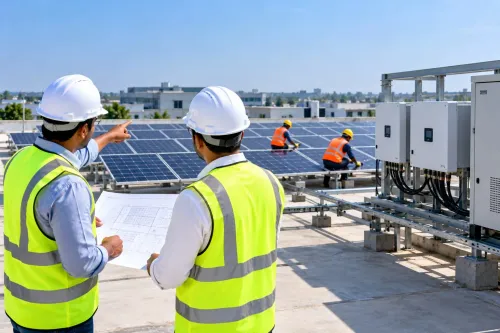
Before installation begins, the solar company conducts a detailed site assessment.
This inspection typically includes:
- Roof measurement
- Structural evaluation
- Shadow analysis
- Electricity consumption review
- Electrical connection inspection
The goal is to determine whether the property is suitable for solar installation and what system size will work efficiently.
System Design and Planning
After the inspection, engineers prepare a customized system layout.
The design process considers:
- Roof orientation
- Sunlight exposure
- Safety clearances
- Energy requirements
- Future scalability
Proper system design helps maximize electricity generation throughout the year.
Documentation and Approval Process
For on-grid systems in Maharashtra, net metering approvals and utility coordination are often required before commissioning.
This stage may involve:
- Technical application submission
- Utility approvals
- Electrical documentation
- Metering coordination
Experienced solar EPC companies usually manage these procedures on behalf of customers.
Installation of Mounting Structures
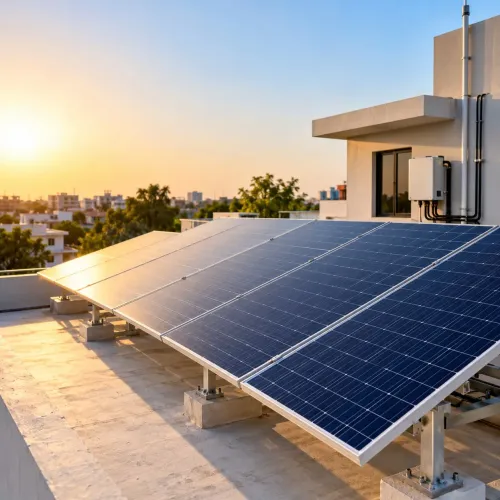
Once approvals and planning are completed, mounting structures are installed on the rooftop.
These structures are responsible for:
- Supporting solar panels securely
- Maintaining proper panel tilt
- Handling environmental exposure
Professional installation teams ensure the roof remains protected during the process.
Solar Panel and Inverter Installation
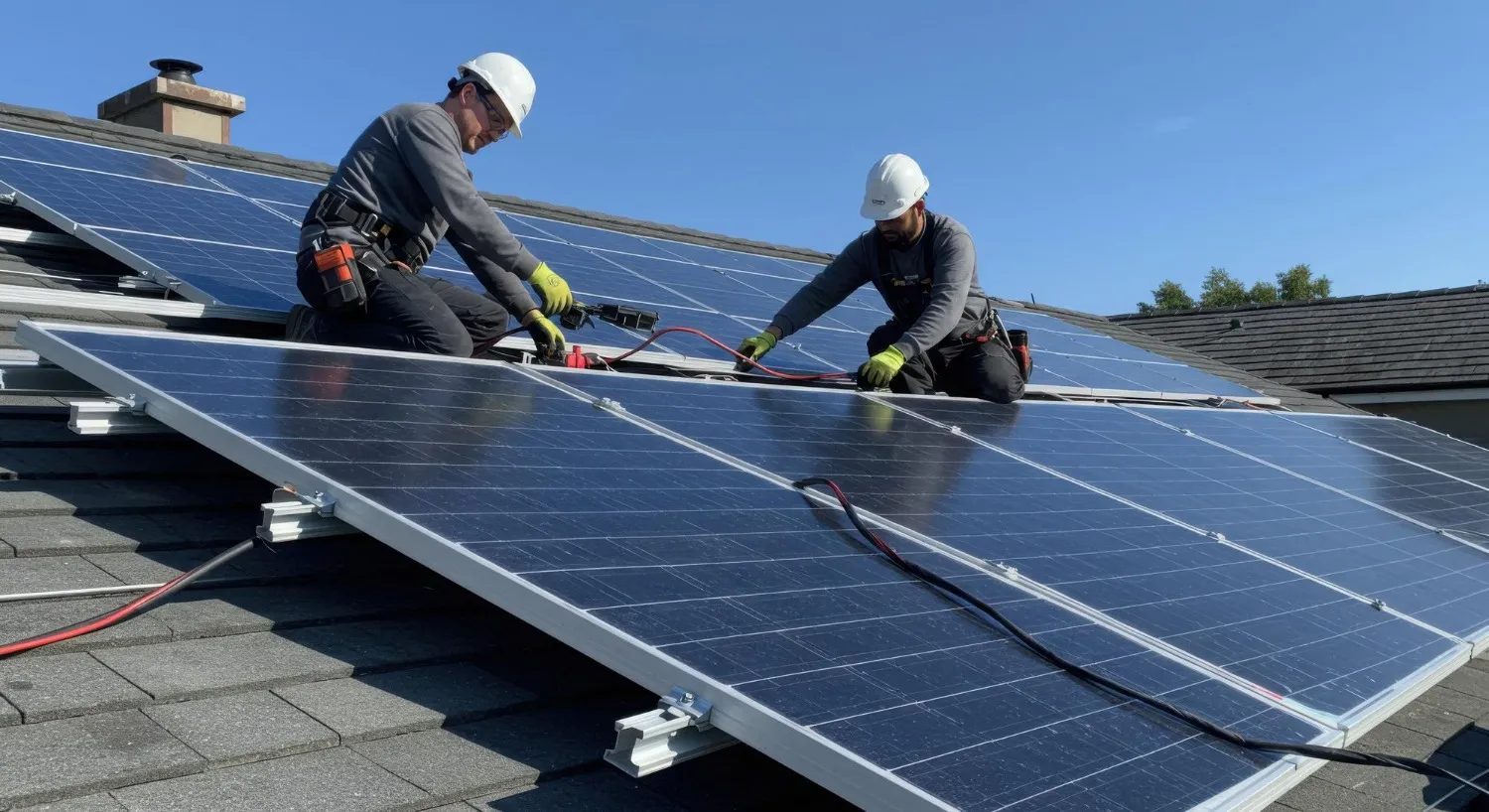
After mounting structures are fixed, solar panels and inverters are installed.
The inverter is one of the most important components because it converts solar-generated DC power into usable AC electricity for the property.
Electrical connections are then integrated safely with the building’s power infrastructure.
Testing and Safety Checks
Before the system becomes operational, technical testing is conducted to verify:
- Electrical safety
- Proper wiring
- System performance
- Inverter operation
- Power generation stability
These checks help ensure long-term reliability.
Typical Installation Timeline
Project duration depends on:
- System size
- Property type
- Approval timelines
- Weather conditions
- Engineering complexity
Residential systems generally take less time compared to large commercial or industrial projects.
Common Concerns During Installation
Will the Roof Be Damaged?
Professional installation methods are designed to protect rooftop structures and waterproofing.
Will Electricity Supply Be Interrupted?
Temporary shutdowns may occur briefly during electrical integration, but installers usually minimize disruption.
Is Daily Maintenance Required?
Solar systems generally require minimal maintenance beyond cleaning and periodic inspections.
Why Professional Execution Matters
Improper installation can reduce system efficiency and create safety risks. This is why many customers prefer working with experienced solar EPC companies that handle engineering, procurement, installation, and commissioning together.
In Nashik and other parts of Maharashtra, providers like SunsetLife Solar Pvt. Ltd support residential and commercial rooftop solar projects through structured EPC-based installation processes designed for long-term performance and operational reliability.
Keywords