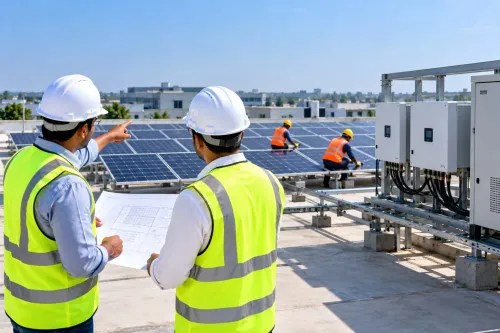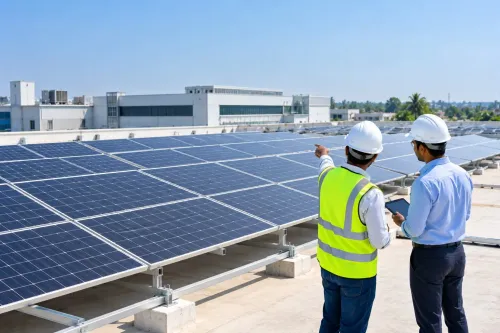
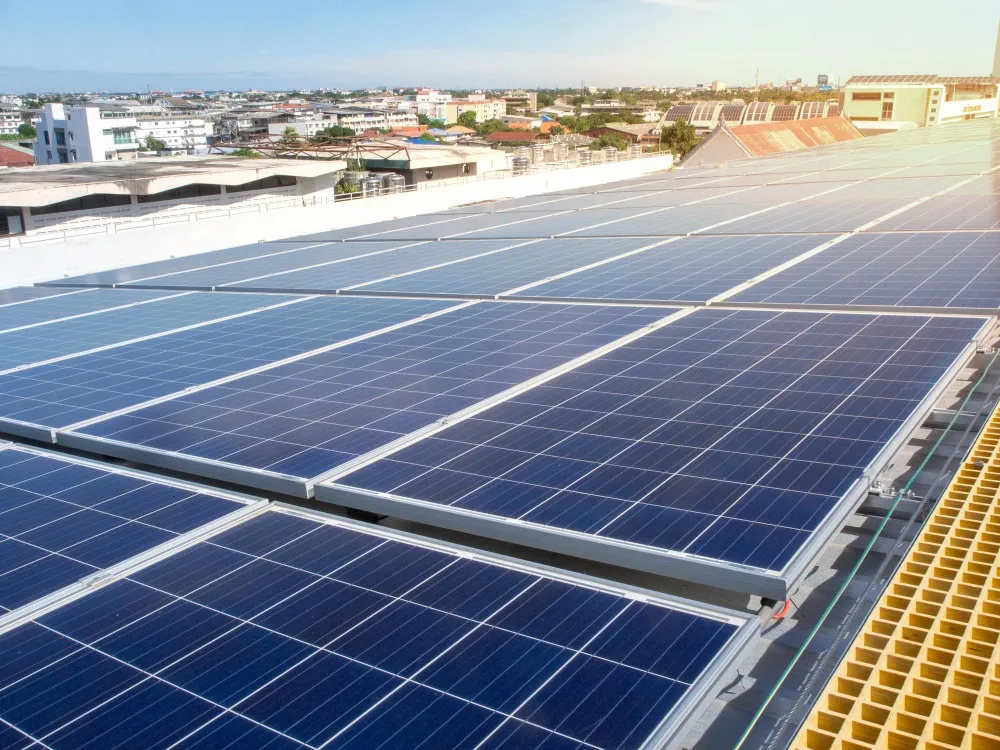
Switching to solar energy is a significant decision, whether you're installing a rooftop system for your home, commercial building, or industrial facility. While many people focus on selecting solar panels, the success of the project depends on everything that happens before and after the panels are installed. This is where solar turnkey projects offer a practical advantage.
A turnkey solar project means a single company manages the complete process—from the initial site inspection to system commissioning and handover. Instead of coordinating with multiple contractors, suppliers, and installers, property owners receive an integrated solution designed for efficiency, quality, and long-term performance.
If you're planning to invest in solar energy in Nashik, understanding how a turnkey project works can help you make better decisions throughout the installation journey.
What Is a Solar Turnkey Project?
A solar turnkey project is an end-to-end solar installation service where one provider is responsible for planning, designing, procuring equipment, installing the system, testing its performance, and handing over a fully operational solar plant.
Rather than managing different vendors for engineering, electrical work, structural installation, and approvals, everything is coordinated through one experienced team.
A typical turnkey project includes:
- Site inspection
- Energy requirement analysis
- System design
- Equipment procurement
- Structural installation
- Electrical installation
- Testing and commissioning
- Documentation and approvals
- Performance verification
- Maintenance guidance
This integrated approach helps minimise delays and improves overall project coordination.
Why Are Turnkey Solar Projects Becoming Popular?
Many homeowners and businesses prefer turnkey solutions because they simplify the entire installation process.
Instead of dealing with separate contractors, customers benefit from:
- Single-point responsibility
- Better project coordination
- Consistent quality standards
- Faster execution
- Improved communication
- Easier post-installation support
When one company manages the complete project, accountability becomes much clearer.
Step 1: Understanding Your Energy Requirements
Every successful solar project begins with understanding electricity consumption.
Before recommending a system, professionals evaluate:
- Monthly electricity bills
- Connected electrical load
- Peak energy usage
- Future expansion plans
- Type of property
This information helps determine the ideal system capacity instead of relying on standard package sizes.
For example, a growing family may have different energy needs compared to a commercial office or manufacturing facility.
Step 2: Detailed Site Inspection
No two rooftops are exactly alike.
A professional site survey includes:
- Roof measurements
- Structural assessment
- Sunlight availability
- Shadow analysis
- Roof orientation
- Available installation area
These factors directly influence the performance of the solar system throughout the year.
Ignoring them during planning may reduce overall electricity generation.
Step 3: Engineering and System Design
After evaluating the site, engineers prepare a customised solar design.
This stage includes:
- Panel layout planning
- Inverter selection
- Cable routing
- Structural mounting design
- Electrical protection planning
- Energy generation estimates
A well-designed system balances safety, efficiency, and long-term durability.
Step 4: Procuring Quality Components
The quality of a solar system depends on every component—not just the solar panels.
A complete turnkey project generally includes:
- High-efficiency solar panels
- Reliable solar inverter
- Galvanised mounting structures
- DC and AC protection devices
- Electrical cables
- Earthing system
- Monitoring equipment
Selecting quality components helps improve reliability while reducing future maintenance issues.
Step 5: Professional Installation
Installation is where planning becomes reality.
Professional teams ensure:
- Accurate panel alignment
- Secure structural mounting
- Safe electrical connections
- Proper earthing
- Neat cable management
- Compliance with safety standards
Attention to detail during installation plays a major role in long-term system performance.
Step 6: Testing and Commissioning
Before handing over the project, the complete system undergoes testing.
This usually includes:
- Electrical safety checks
- Inverter testing
- Performance verification
- Generation monitoring
- System inspection
These checks help confirm that the installation performs according to design expectations.
Step 7: Documentation and Support
A good turnkey project does not end once the panels begin generating electricity.
Customers should also receive guidance regarding:
- Product warranties
- System operation
- Routine maintenance
- Performance monitoring
- Safety precautions
- Service support
Proper documentation allows homeowners and businesses to understand their system and maintain it efficiently over the years.
Why Experience Makes a Difference
Although solar technology has become more accessible, successful installations still depend on careful engineering and execution.
Experienced turnkey providers understand how to optimise system performance by considering:
- Local weather conditions
- Roof design
- Future electricity demand
- Equipment compatibility
- Safety regulations
- Installation best practices
For properties across Nashik and other parts of Maharashtra, local knowledge also helps ensure the system is designed for regional climate conditions and operational requirements.
Choosing the Right Turnkey Partner
Before selecting a company, compare more than just the quotation.
Look for a provider that offers:
- Detailed site surveys
- Transparent project planning
- Quality equipment
- Professional installation
- Comprehensive warranties
- Reliable after-sales service
These factors contribute significantly to the long-term success of your solar investment.
Many homeowners and businesses choose experienced providers such as SunsetLife Solar Pvt. Ltd., which manages solar turnkey projects through a structured process that includes technical evaluation, customised design, professional installation, and ongoing support.
Building a Reliable Solar Future
A solar turnkey project removes much of the complexity involved in installing a solar power system. With one experienced company managing every stage—from planning and engineering to commissioning and support—property owners can enjoy a smoother installation experience and greater confidence in the final outcome.
Whether you're planning a residential rooftop system or a larger commercial installation in Nashik, choosing a professionally managed turnkey solution can help ensure your investment delivers dependable energy generation, lower electricity costs, and long-term value. By focusing on quality planning and expert execution from the very beginning, you'll be better positioned to enjoy the full benefits of renewable energy for years to come.
Keywords