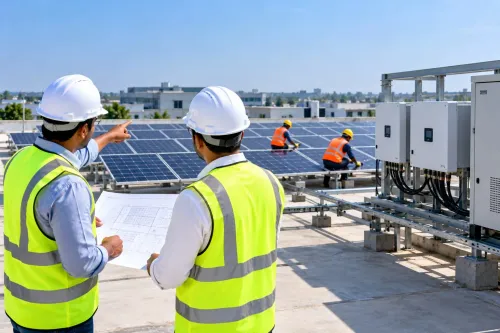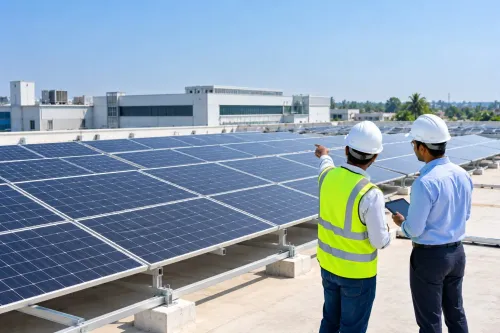
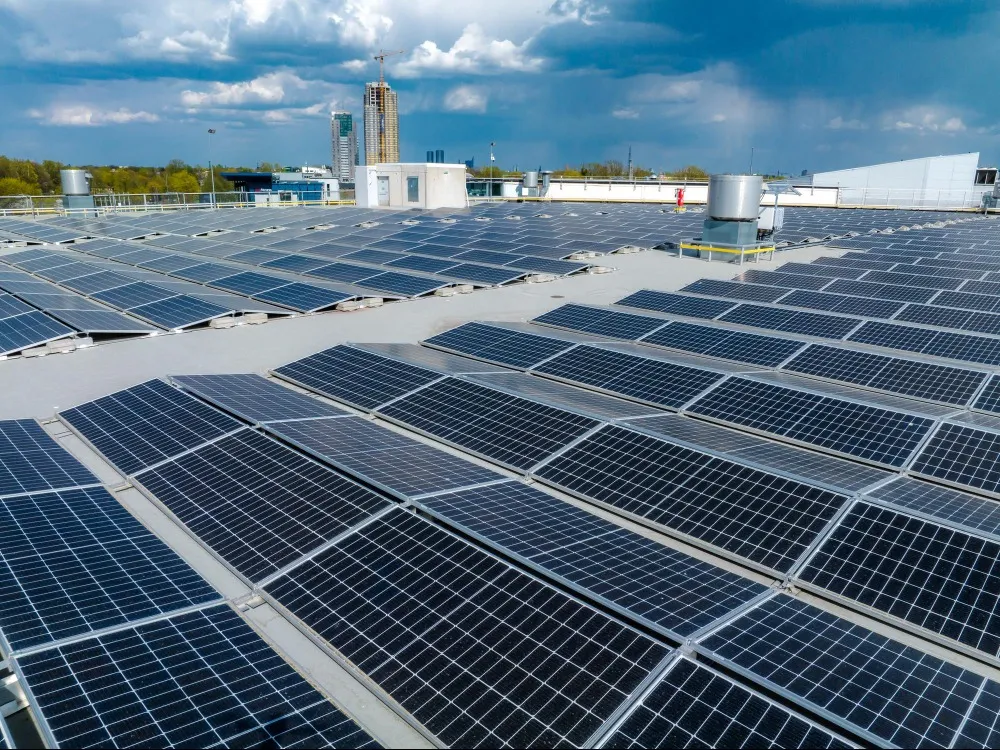
Many businesses interested in solar energy are familiar with rooftop panels but may not fully understand what a solar turnkey project involves. For commercial and industrial clients, turnkey solar solutions simplify the entire process by offering complete project execution under a single provider.
As solar adoption increases across Nashik and Maharashtra, turnkey solar projects are becoming a preferred approach for organizations seeking organized and professionally managed installations.
What Is a Solar Turnkey Project?
A solar turnkey project refers to a complete end-to-end solar solution where a single company manages the entire project lifecycle.
This usually includes:
- Site inspection
- Feasibility analysis
- Engineering and design
- Procurement of equipment
- Installation
- Electrical integration
- Testing and commissioning
- Regulatory approvals
The goal is to provide a ready-to-operate solar system without requiring the client to coordinate multiple vendors separately.
Why Businesses Prefer Turnkey Solar Solutions
Commercial and industrial solar projects involve technical, electrical, and regulatory complexities. Managing separate contractors for design, procurement, and installation can create delays and coordination issues.
Turnkey projects help streamline the process.
Single Point of Responsibility
One provider handles the project from planning to commissioning.
Better Coordination
Engineering, procurement, and installation teams work together under a unified execution plan.
Faster Project Completion
Integrated project management often reduces execution delays.
Simplified Communication
Clients deal with one project team instead of multiple contractors.
What Happens During a Turnkey Solar Project?
Initial Site Assessment
The provider evaluates:
- Roof condition
- Structural strength
- Available area
- Shadow-free exposure
- Electricity consumption
System Design
Engineers prepare a customized solar layout based on operational energy requirements.
Procurement
Solar panels, inverters, mounting structures, and electrical equipment are sourced according to project specifications.
Installation and Integration
The solar system is installed and connected safely with existing electrical infrastructure.
Testing and Commissioning
Performance checks are conducted before the system becomes operational.
Industries Using Solar Turnkey Projects
Turnkey solar installations are widely used across sectors such as:
- Manufacturing
- Warehousing
- Healthcare
- Education
- Retail
- Hospitality
Commercial offices
Large facilities with high daytime electricity consumption often benefit the most.
Important Considerations Before Starting a Turnkey Project
Vendor Experience
Commercial solar projects require engineering expertise and execution capability.
Component Quality
High-quality equipment improves long-term reliability and energy generation.
Safety Compliance
Proper electrical safety standards are essential for industrial and commercial properties.
Maintenance Support
Long-term service support should be discussed before project execution begins.
The Role of Solar EPC Companies
Most turnkey solar projects are handled by solar EPC companies because they combine engineering, procurement, and construction services within one operational framework.
An experienced solar EPC provider typically assists with:
- Technical planning
- Utility approvals
- Net metering coordination
- Performance optimization
- Long-term support
Why Turnkey Models Are Growing in Maharashtra
Businesses in Maharashtra are increasingly focusing on operational efficiency and energy optimization. As electricity consumption continues rising across industries, turnkey solar projects offer a more organized path toward renewable energy adoption.
Solar solution providers such as SunsetLife Solar Pvt. Ltd support commercial and industrial clients through turnkey EPC execution models designed for efficient project coordination and long-term solar performance.
Keywords