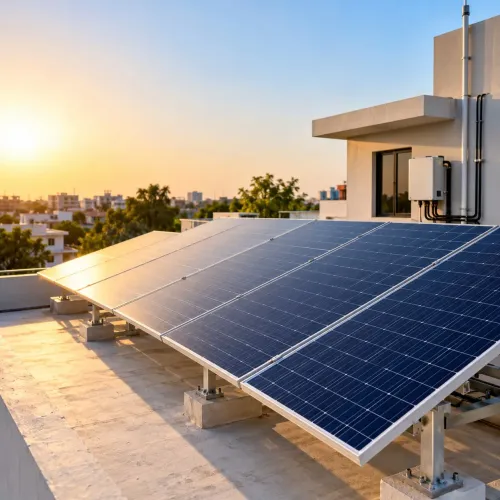
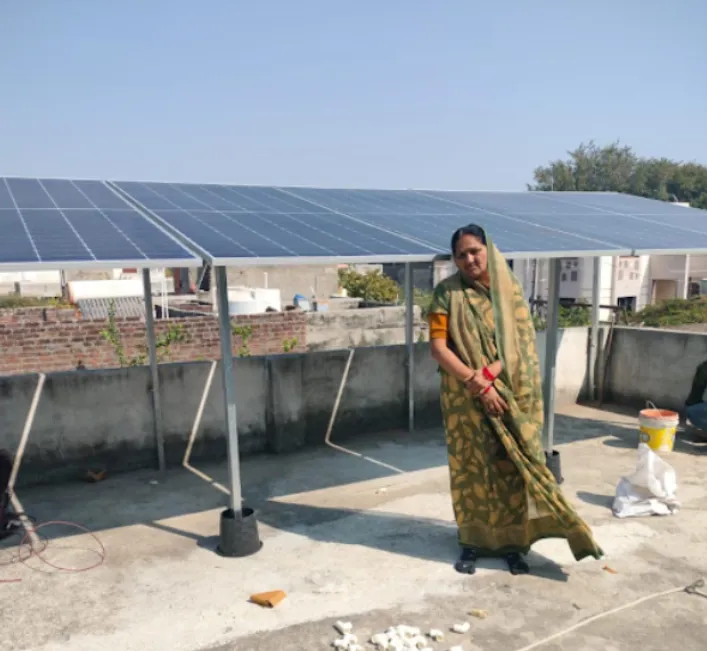
Installing a rooftop solar system has become an attractive option for homeowners looking to reduce electricity bills and make better use of renewable energy. Along with long-term savings, many families are also interested in learning about the solar subsidy for home and how it can help reduce the initial investment.
While subsidy schemes make residential solar more accessible, many homeowners are unsure about eligibility, the application process, required documentation, and the role of an installation company. Understanding these aspects before starting your project can help you avoid confusion and plan your investment more effectively.
If you're planning a rooftop solar installation in Nashik, here's what you should know before applying for a residential solar subsidy.
What Is a Solar Subsidy?
A solar subsidy is a financial incentive introduced to encourage homeowners to adopt renewable energy. It helps reduce the initial cost of installing eligible residential rooftop solar systems, making clean energy more affordable for households.
The availability, eligibility criteria, and applicable benefits depend on the prevailing government policies and approved programmes. Since these guidelines may change over time, homeowners should always verify the latest information before making any financial decisions.
Who Can Benefit from a Residential Solar Subsidy?
Solar subsidy schemes are generally designed for residential property owners.
Homeowners considering a rooftop solar installation should first confirm whether they meet the applicable eligibility requirements.
Factors that may influence eligibility include:
- Type of property
- Residential electricity connection
- System capacity
- Compliance with applicable guidelines
- Installation through authorised procedures, wherever required
Understanding these requirements in advance helps prevent unnecessary delays during the application process.
Why Is Planning Important Before Applying?
Many homeowners focus only on receiving the subsidy without evaluating whether the proposed solar system is actually suitable for their property.
A successful solar project begins with:
- Assessing electricity consumption
- Evaluating rooftop suitability
- Selecting the appropriate system capacity
- Choosing quality equipment
- Understanding long-term maintenance
The subsidy should be viewed as an additional financial benefit rather than the only reason for investing in solar.
Documents You May Need
The exact documentation requirements depend on the applicable scheme and current government guidelines.
Typically, homeowners should be prepared with documents such as:
- Identity proof
- Address proof
- Electricity bill
- Property-related documents, where applicable
- Bank account details, if required
- Other documents specified under the relevant programme
Keeping these documents organised can help streamline the application process.
Choosing the Right System Is More Important Than Choosing the Lowest Price
One common misconception is that every solar installation qualifies in the same way.
Before making a decision, compare:
- Solar panel quality
- Inverter technology
- Product warranties
- Installation standards
- Engineering expertise
- After-sales support
A properly designed system provides long-term value regardless of whether you are applying for a subsidy.
Questions Homeowners Frequently Ask
Can every home receive a solar subsidy?
Eligibility depends on the applicable government scheme and the specific requirements in force at the time of installation.
Does the subsidy cover the entire installation cost?
No. Subsidies generally reduce a portion of the eligible installation cost rather than covering the complete project.
Can I choose any system size?
The recommended system size should be based on your electricity consumption, rooftop availability, and applicable programme guidelines.
Is professional installation important?
Yes. Proper system design, safe installation, and compliance with technical standards are essential for achieving reliable long-term performance.
Common Mistakes to Avoid
Many homeowners make avoidable errors while planning a subsidised solar installation.
Avoid these common mistakes:
- Selecting a system based only on subsidy availability
- Ignoring rooftop suitability
- Choosing the lowest quotation without comparing specifications
- Overlooking product warranties
- Not understanding maintenance requirements
- Assuming every installation follows identical procedures
Careful planning helps maximise both system performance and long-term financial benefits.
Why Professional Guidance Simplifies the Process
Installing a residential solar system involves more than purchasing solar panels.
Professional guidance helps homeowners with:
- Site inspection
- Energy assessment
- System sizing
- Equipment selection
- Installation planning
- Documentation guidance
- Performance optimisation
This structured approach reduces uncertainty and helps ensure the system is designed according to the property's actual requirements.
Why Local Expertise Matters
Homes across Nashik differ in rooftop design, electricity consumption, and available installation space.
A provider familiar with local conditions can recommend solutions based on:
- Roof structure
- Sunlight availability
- Household energy usage
- Local installation practices
- Applicable utility procedures
This customised planning often results in better long-term system performance.
Many homeowners choose experienced companies such as SunsetLife Solar Pvt. Ltd., which assists customers with site evaluation, system design, installation planning, and guidance throughout the residential solar journey.
Make an Informed Decision
A solar subsidy for home can make rooftop solar more affordable, but the success of your investment depends on much more than financial incentives. Choosing the right system capacity, quality equipment, professional installation, and reliable long-term support are equally important.
If you're planning to install residential solar panels in Nashik, begin by understanding your household's energy needs, evaluating your rooftop, and verifying the latest subsidy guidelines. A carefully planned solar installation can provide dependable clean energy, lower electricity expenses, and lasting value for your home while contributing to a more sustainable future across Maharashtra.
Keywords