Electricity has become an essential part of everyday life. From running kitchen appliances and air conditioners to charging devices and powering home offices, most households rely on a steady supply of electricity throughout the day. As energy consumption continues to rise, many homeowners in Nashik are exploring a solar setup for house as a practical way to reduce electricity expenses while embracing clean and sustainable energy.
If you're planning to install a rooftop solar system, understanding the basics before making an investment can help you choose a solution that delivers reliable performance for years. Rather than focusing only on the initial cost, it is important to evaluate your home's energy needs, rooftop suitability, system quality, and long-term benefits.
What Is a Solar Setup for a House?
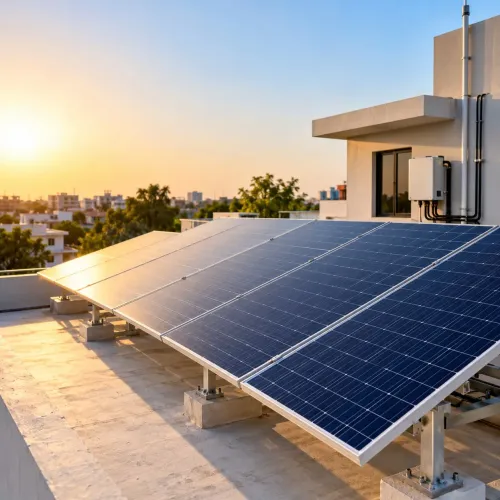
A solar setup for a house is a rooftop photovoltaic (PV) system that captures sunlight and converts it into electricity. A standard residential solar system generally includes:
- Solar panels
- Solar inverter
- Mounting structure
- DC and AC electrical wiring
- Safety protection devices
- Monitoring system
During daylight hours, the solar panels generate electricity, which is converted into usable power by the inverter. This electricity can operate your household appliances, while any surplus energy may be exported to the electricity grid through net metering, depending on applicable regulations.
Why Are More Homeowners in Nashik Choosing Solar?
Nashik receives abundant sunlight for most of the year, making it a suitable location for rooftop solar installations. Rising electricity tariffs and increasing awareness of renewable energy have encouraged many homeowners across Maharashtra to consider residential solar systems as a long-term investment.
Apart from lowering monthly electricity bills, solar energy offers greater energy independence and reduces dependence on conventional power sources.
Is Your House Suitable for Solar Installation?
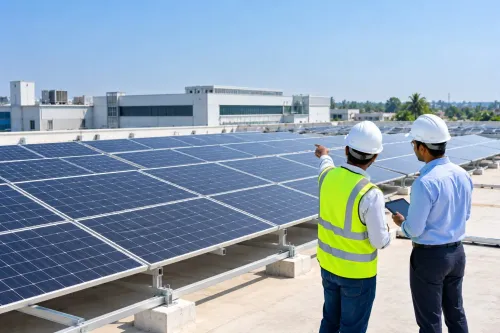
Not every rooftop is identical, but many homes are well-suited for solar energy generation. Before installation, a professional assessment usually considers the following factors:
- Availability of shadow-free rooftop space
- Roof orientation and tilt
- Structural strength of the building
- Average monthly electricity consumption
- Future electricity requirements
Even if your roof has limited space, a customised system may still provide meaningful savings when designed correctly.
Choosing the Right Solar System Size
One of the biggest mistakes homeowners make is selecting a system based only on budget instead of actual electricity usage.
A properly sized system depends on:
- Monthly electricity bills
- Number of family members
- Usage of high-power appliances
- Future expansion plans
- Available rooftop area
For example, if you plan to install an electric vehicle charger or additional air conditioners in the coming years, your solar requirements may increase. Planning for future consumption often proves more economical than upgrading the system later.
Understanding the Different Types of Residential Solar Systems
Before making a decision, it helps to understand the three common types of home solar systems.
On-Grid Solar System
This is the most widely used option for urban homes. It remains connected to the electricity grid and works efficiently for homeowners looking to reduce their monthly electricity bills through net metering.
Off-Grid Solar System
An off-grid system operates independently of the utility grid and uses batteries to store electricity. It is generally suitable for remote locations where grid power is unavailable or unreliable.
Hybrid Solar System
A hybrid system combines the advantages of both on-grid and battery-backed systems. It allows homeowners to store excess electricity while remaining connected to the utility network.
Benefits That Go Beyond Saving Money
Although reducing electricity bills is one of the biggest advantages, residential solar systems provide several additional benefits.
Some important advantages include:
- Lower dependence on conventional electricity
- Protection against rising electricity tariffs
- Reduced carbon footprint
- Better utilisation of unused rooftop space
- Increased property value
- Reliable long-term energy generation
- Minimal maintenance requirements
With quality equipment and proper installation, many residential solar systems continue generating electricity efficiently for decades.
Common Mistakes to Avoid Before Installing Solar
Making informed decisions before installation can help you maximise the value of your investment.
Avoid these common mistakes:
- Selecting the cheapest system without comparing quality
- Ignoring rooftop shading analysis
- Choosing an incorrect system capacity
- Overlooking inverter efficiency
- Not checking equipment warranties
- Hiring inexperienced installation teams
- Ignoring future electricity requirements
A well-designed solar system should balance performance, durability, safety, and long-term savings rather than simply offering the lowest upfront cost.
Questions Every Homeowner Should Ask
Before finalising your project, ask your solar provider a few important questions.
- How much electricity is the system expected to generate each year?
- Which solar panel and inverter brands are being installed?
- What product and workmanship warranties are included?
- Will the system support future increases in electricity consumption?
- Is assistance provided for net metering and required approvals?
- What maintenance support is available after installation?
These questions can help you compare proposals more effectively and understand the overall value of the investment.
Why Professional Planning Matters
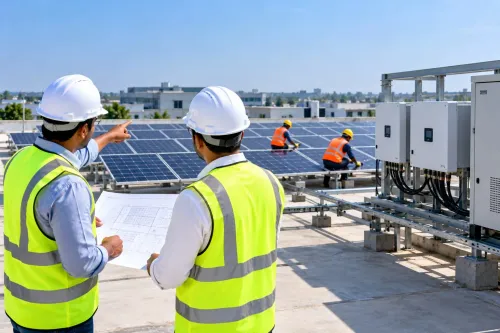
Every rooftop has different dimensions, sunlight exposure, and energy requirements. A professionally designed system considers panel orientation, structural safety, inverter placement, electrical protection, and expected energy generation before installation begins.
Homeowners in Nashik increasingly prefer working with experienced solar companies that focus on customised planning instead of one-size-fits-all solutions. SunsetLife Solar Pvt. Ltd. follows this approach by evaluating each property's energy consumption, roof condition, and future requirements before recommending a suitable residential solar solution.
A Smarter Step Towards Sustainable Living
Installing a solar setup for your house is not simply about reducing electricity bills—it is about making a long-term investment in energy efficiency and sustainability. With favourable weather conditions across Nashik and the growing adoption of renewable energy in Maharashtra, rooftop solar systems have become a practical choice for modern homeowners.
If you're considering residential solar panels for your home, take the time to assess your energy needs, compare system options, and choose a provider that prioritises quality, safety, and long-term performance. A carefully planned solar installation can deliver dependable clean energy, financial savings, and greater peace of mind for many years to come.
Keywords