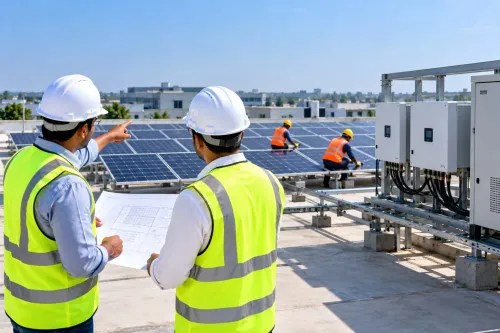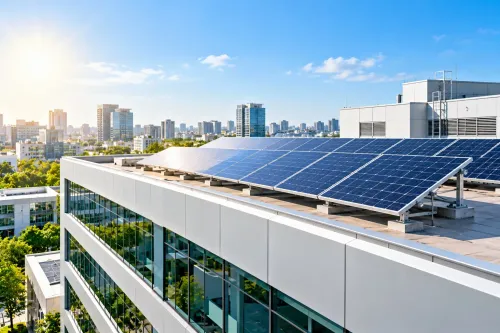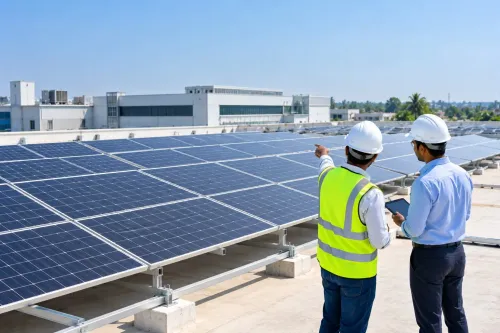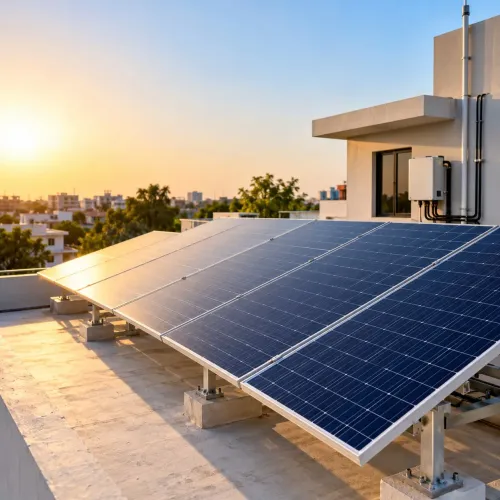
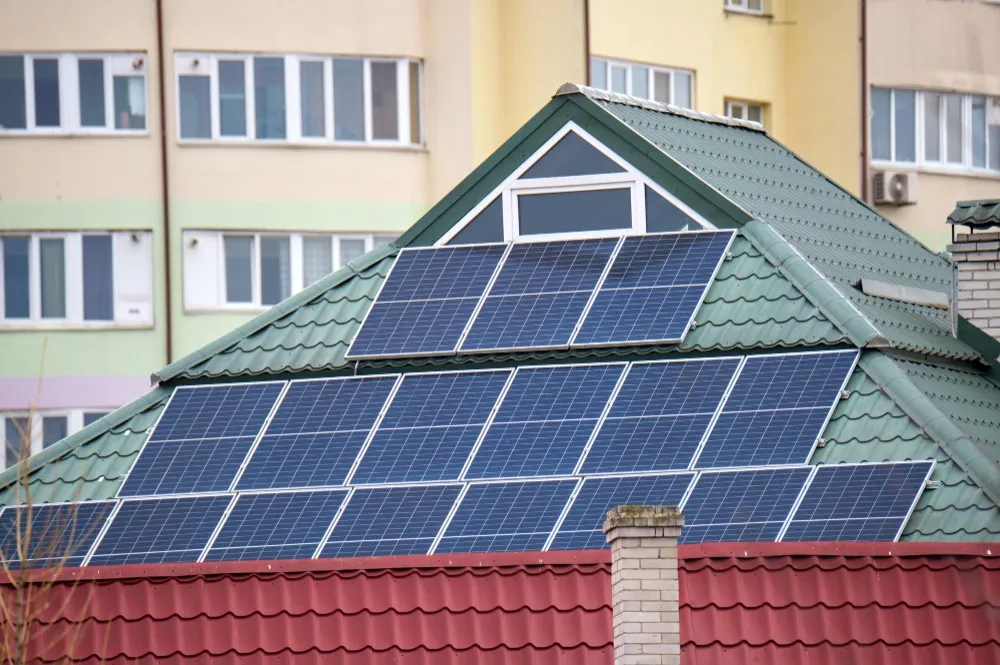
A rooftop solar system is one of the most effective ways to reduce household electricity expenses while making better use of available roof space. With increasing awareness about renewable energy and the long-term financial benefits of solar power, many homeowners in Nashik are considering installing a solar rooftop for home.
However, before investing in a solar system, it is important to understand that every home is different. Factors such as roof design, electricity consumption, system capacity, and installation quality all influence the performance of your investment. A little planning before installation can help you avoid costly mistakes and ensure your solar system delivers reliable results for years.
If you're planning to switch to solar, this practical checklist will help you prepare for a successful installation.
Why Planning Matters Before Installing Rooftop Solar
A solar system is expected to generate electricity for decades. Unlike many home improvements, its performance depends on technical planning as much as the quality of the equipment.
Professional planning helps ensure:
- Better electricity generation
- Improved return on investment
- Safe installation
- Lower maintenance costs
- Longer system lifespan
Rather than rushing into a decision, taking time to evaluate your home's suitability can make a significant difference.
Check Your Monthly Electricity Consumption
The first step is understanding how much electricity your household uses.
Review your electricity bills from the past year to identify:
- Average monthly consumption
- Seasonal variations
- High electricity usage periods
- Future energy requirements
This information helps determine the most suitable system capacity for your home.
Evaluate Your Rooftop
Not every rooftop performs the same.
A professional assessment usually considers:
- Available shadow-free space
- Roof direction
- Structural condition
- Roof slope
- Accessibility for maintenance
Even a high-quality solar system cannot perform efficiently if the rooftop receives insufficient sunlight.
Think About Your Future Electricity Needs
Many homeowners plan their solar system only for their current lifestyle.
Instead, consider future requirements such as:
- Purchasing an electric vehicle
- Installing additional air conditioners
- Home extensions
- New household appliances
- Work-from-home setups
Planning for future demand may help avoid expensive upgrades later.
Choose the Right Type of Solar System
Residential properties generally use one of three system types.
On-Grid Solar System
Connected to the electricity grid and suitable for reducing monthly electricity bills through net metering.
Off-Grid Solar System
Uses battery storage and operates independently of the electricity grid.
Hybrid Solar System
Combines grid connectivity with battery backup for greater flexibility during power interruptions.
Selecting the right option depends on your electricity usage and backup requirements.
Compare More Than Just the Price
Price is important, but it should never be the only deciding factor.
When comparing quotations, evaluate:
- Solar panel quality
- Inverter technology
- Mounting structure
- Electrical safety components
- Product warranties
- Installation expertise
- After-sales service
A well-designed system with quality components often delivers greater long-term value than the lowest-priced option.
Ask About Warranties
Solar systems are long-term investments, making warranty coverage an important consideration.
Before proceeding, understand the warranties available for:
- Solar panels
- Solar inverter
- Mounting structure
- Installation workmanship
Knowing what is covered helps you make a more confident investment decision.
Understand Net Metering
Many homeowners hear about net metering but are unsure how it works.
Net metering allows eligible consumers to export surplus electricity generated during the day to the utility grid, subject to applicable regulations. Understanding this process helps you estimate potential savings more accurately.
Your installation partner should explain the documentation and approval process before the project begins.
Select an Experienced Installation Team
The quality of installation directly affects system performance.
Professional installers pay attention to:
- Panel orientation
- Tilt angle
- Structural safety
- Cable routing
- Earthing
- Waterproofing
- Electrical compliance
Proper workmanship ensures reliable operation while reducing future maintenance concerns.
Your Rooftop Solar Installation Checklist
Before finalising your project, make sure you have:
- Review your annual electricity consumption.
- Confirmed that your rooftop receives adequate sunlight.
- Evaluated the structural condition of your roof.
- Compared the quality of panels, inverters, and other system components.
- Understood warranty coverage for products and installation.
- Discuss future electricity requirements with your provider.
- Learned about the net metering process.
- Chosen an experienced installation company with proven technical expertise.
Following this checklist helps you make informed decisions instead of relying solely on pricing or promotional offers.
Why Professional Guidance Makes a Difference
Every home has different energy requirements and rooftop conditions. A customised approach generally delivers better long-term performance than selecting a standard package.
Many homeowners in Nashik prefer working with experienced companies that conduct detailed site surveys before recommending a system. SunsetLife Solar Pvt. Ltd. evaluates each property's roof condition, electricity consumption, and future energy needs to design rooftop solar solutions that align with individual household requirements.
Invest with Confidence
Installing a solar rooftop for your home is an investment that can continue delivering value for decades when planned correctly. Careful preparation, quality equipment, and professional installation all contribute to better energy generation and long-term savings.
If you're considering rooftop solar in Nashik, use this checklist as a starting point for your planning. Taking the time to evaluate your property, compare solutions, and work with experienced professionals can help you enjoy dependable clean energy, lower electricity costs, and greater peace of mind for many years ahead.
Keywords