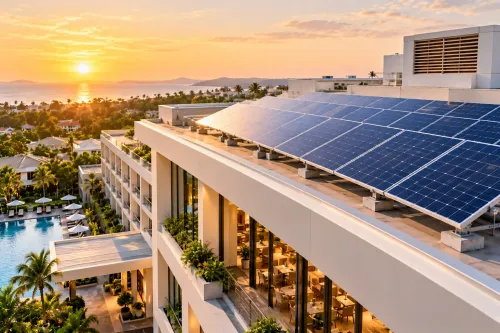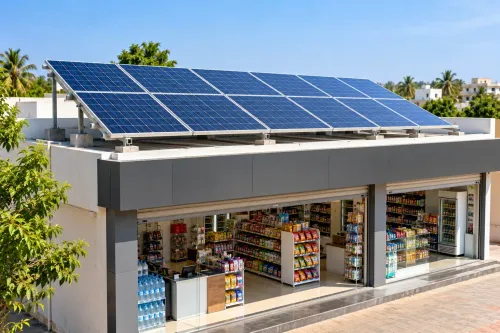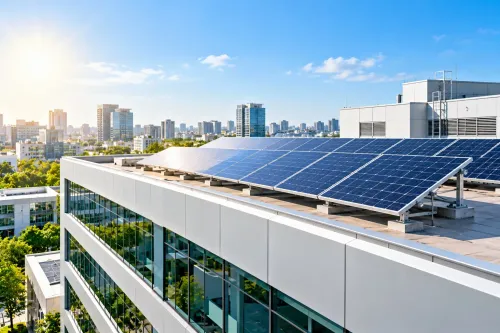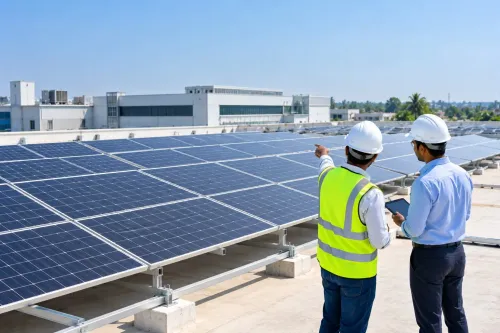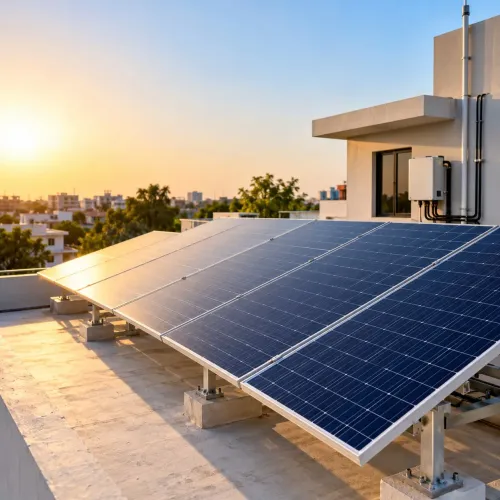
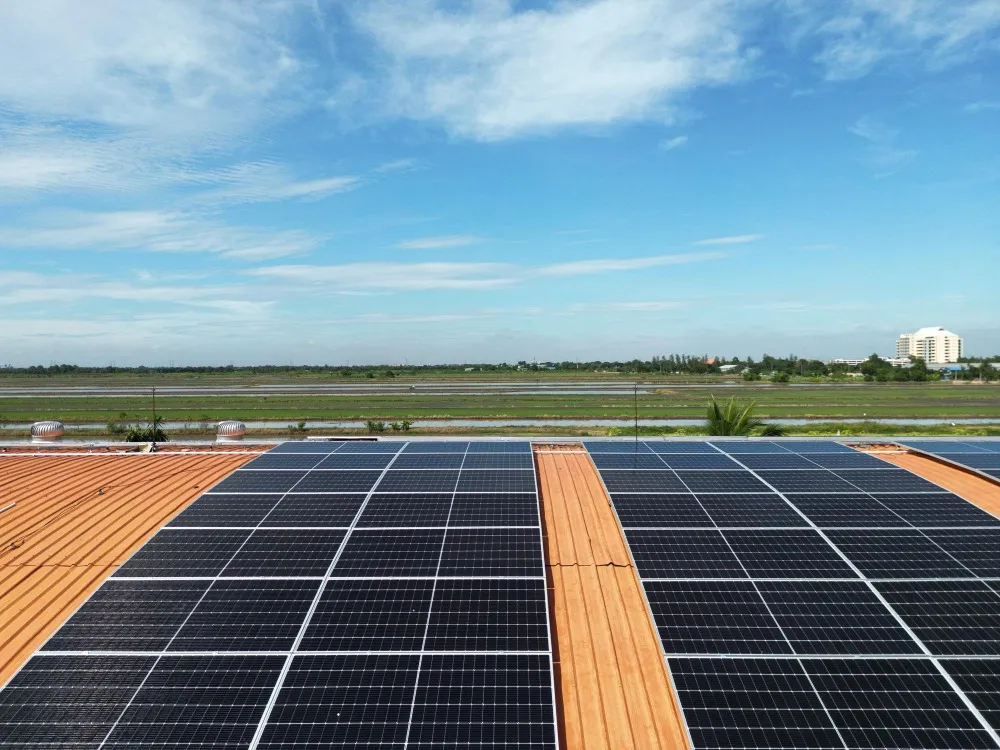
As electricity demand continues to grow, many property owners are looking for practical ways to manage operating costs while reducing their environmental impact. A well-designed Solar Rooftop System offers an effective solution by generating clean electricity directly from available roof space. However, achieving the best performance depends on thoughtful planning rather than simply installing panels.
Whether the property is residential, educational, commercial, or institutional, understanding how rooftop solar works helps owners make informed investment decisions.
How a Rooftop Solar System Generates Electricity
Solar panels capture sunlight and convert it into direct current (DC) electricity. An inverter then converts this energy into alternating current (AC), making it suitable for everyday electrical appliances.
During daylight hours, the electricity generated can power lighting, fans, computers, machinery, and other equipment depending on the system's capacity.
Many modern systems are designed for efficient operation while requiring relatively little ongoing maintenance.
Benefits Beyond Lower Electricity Bills
While cost savings remain one of the biggest advantages, rooftop solar also offers several long-term benefits.
These include:
- Better utilisation of unused roof space
- Reduced dependence on conventional electricity
- Lower environmental impact
- Stable long-term energy generation
- Improved energy planning for the future
These advantages make rooftop solar an attractive option for a wide variety of property owners.
Key Elements That Influence Performance
Several factors determine how efficiently a solar rooftop system performs throughout its lifespan.
Roof Design
The size, slope, and orientation of the roof influence how much sunlight reaches the panels during the day.
Quality of Equipment
Solar panels, inverters, mounting structures, and electrical components all contribute to system reliability and efficiency.
Professional Installation
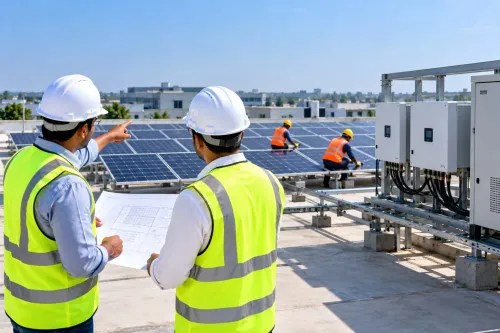
Accurate positioning, secure mounting, and proper electrical connections help minimise energy losses and improve long-term performance.
Maintenance
Removing dust, leaves, and debris from panels allows them to absorb sunlight more effectively. Periodic inspections also help identify minor issues before they become larger problems.
When Should Property Owners Consider Solar?
Many people wait until electricity bills become difficult to manage before exploring renewable energy. However, planning ahead often allows property owners to evaluate multiple options and choose the system that best matches their energy requirements.
A rooftop solar system may be particularly suitable when:
- Monthly electricity usage continues to increase.
- Large roof areas receive unobstructed sunlight.
- Long-term operating cost reduction is a priority.
- Sustainability goals are part of future planning.
Choosing the Right Installation Partner
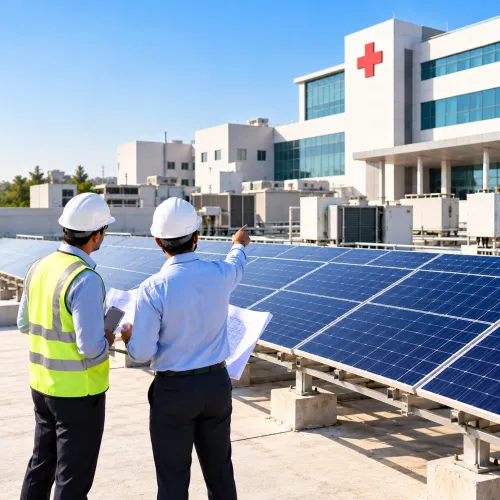
Installing solar equipment is a long-term investment, making it important to work with experienced professionals who understand site-specific requirements.
An installation partner should evaluate:
- Current electricity consumption
- Roof condition
- Structural suitability
- Local environmental conditions
- Expected future energy demand
Rather than recommending a standard solution for every customer, companies such as SunsetLife Solar Pvt. Ltd. typically assess each property individually before suggesting an appropriate system.
Across Nashik and other parts of Maharashtra, businesses and homeowners are increasingly adopting rooftop solar as electricity consumption continues to rise and renewable energy becomes more accessible.
Frequently Asked Questions
Can rooftop solar be installed on existing buildings?
Yes. Many existing residential and commercial buildings can accommodate rooftop solar after a structural assessment.
How much roof space is generally required?
The required area depends on the system capacity and the type of solar panels selected.
Will rooftop solar require frequent repairs?
Quality systems installed correctly generally require minimal maintenance apart from routine cleaning and periodic inspections.
Is every rooftop suitable for solar installation?
Not always. Roof condition, shading, orientation, and available space should be assessed before installation.
A carefully planned Solar Rooftop System offers long-term energy benefits while supporting more sustainable electricity generation. By focusing on proper planning, quality equipment, and professional installation, property owners can build a reliable renewable energy solution that serves them efficiently for many years.
Keywords