Residential solar panels have become increasingly popular as more homeowners look for reliable ways to reduce electricity bills and embrace renewable energy. Despite their growing adoption, many people still hesitate because of misconceptions surrounding installation costs, maintenance, performance, and long-term value.
If you're considering installing residential solar panels in Nashik, separating myths from facts can help you make a confident and well-informed decision. Understanding how modern solar technology works is the first step towards choosing a system that suits your home's energy requirements.
Why Are Residential Solar Panels Becoming More Popular?
Across Maharashtra, homeowners are becoming more conscious of rising electricity costs and environmental sustainability. Solar technology has evolved significantly over the last decade, making rooftop solar systems more efficient, durable, and accessible than ever before.
With Nashik receiving abundant sunlight throughout most of the year, residential properties have favourable conditions for generating clean electricity from rooftop solar panels.
However, many myths still discourage homeowners from exploring this renewable energy option.
Myth 1: Solar Panels Only Work on Bright Sunny Days
Fact: Solar panels generate electricity even when the weather is cloudy.
Solar panels require sunlight, not extreme heat. While electricity generation may reduce during cloudy weather or monsoon days, modern photovoltaic panels continue producing power whenever daylight is available.
This is one of the biggest misconceptions among homeowners who assume solar systems become completely ineffective during the rainy season.
Myth 2: Solar Installation Is Suitable Only for Large Houses
Fact: Solar systems can be designed for different property sizes.
Many people believe they need a huge rooftop to install solar panels.
In reality, professional solar system providers evaluate:
- Available rooftop space
- Monthly electricity consumption
- Roof orientation
- Shadow-free areas
- Future energy requirements
Even medium-sized homes can often benefit from a well-planned rooftop solar system.
Myth 3: Solar Panels Require Constant Maintenance
Fact: Residential solar panels are designed for low maintenance.
Unlike many mechanical systems, solar panels have no moving parts.
Routine maintenance generally includes:
- Cleaning dust and debris periodically
- Inspecting wiring and electrical connections
- Checking inverter performance
- Ensuring there is no new shading from surrounding structures or trees
With proper installation, maintenance requirements remain relatively minimal.
Myth 4: Solar Panels Damage the Roof
Fact: Professional installation protects the roof rather than damaging it.
One concern homeowners frequently raise is whether rooftop installation will weaken their property.
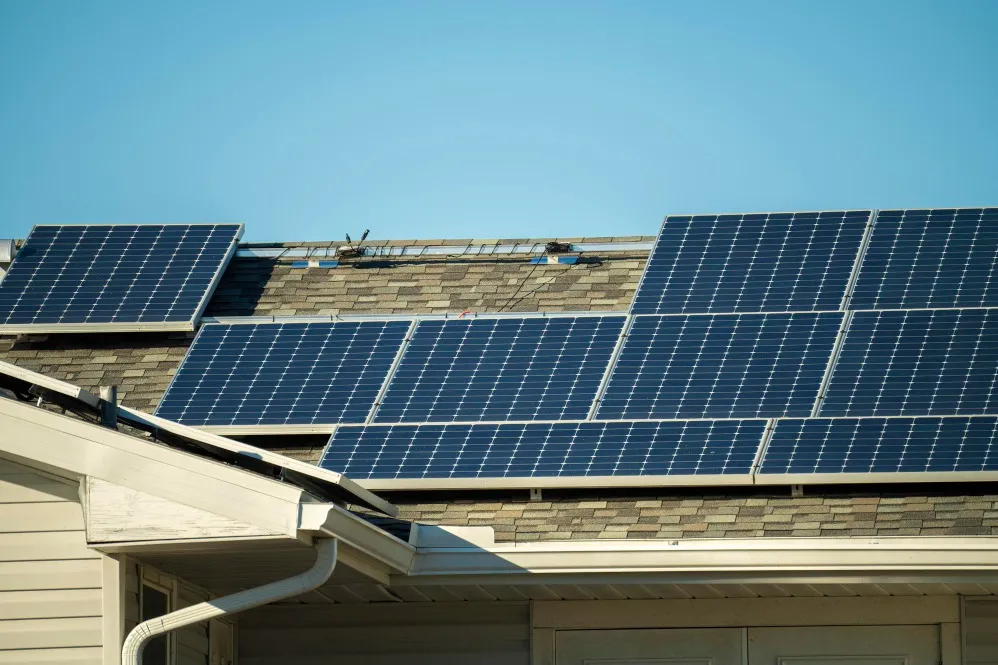
When installed using engineered mounting structures and appropriate waterproofing methods, solar panels do not damage a structurally sound roof. In many cases, they also help protect portions of the roof from direct sunlight and weather exposure.
Choosing experienced installers is essential for maintaining structural integrity.
Myth 5: Solar Power Can Completely Eliminate Every Electricity Bill
Fact: Savings depend on system size and electricity consumption.
A solar system is designed based on your household's energy usage.
Factors influencing savings include:
- System capacity
- Daily electricity consumption
- Seasonal weather conditions
- Net metering policies
- Future increase in electrical load
Some homeowners significantly reduce their bills, while others offset only part of their electricity usage depending on their chosen system.
Myth 6: Solar Panels Stop Working After a Few Years
Fact: Quality solar panels are built for long-term performance.
Modern residential solar panels are engineered to withstand:
- High temperatures
- Heavy rainfall
- Wind loads
- Dust accumulation
- Seasonal climate variations
Many manufacturers also provide long-term performance warranties, giving homeowners greater confidence in their investment.
How to Choose the Right Residential Solar Panels
Not all solar systems deliver the same performance.
Before making a decision, compare:
- Panel efficiency
- Inverter technology
- Product warranties
- Installation expertise
- Safety standards
- After-sales support
- Expected annual energy generation
Focusing only on the lowest quotation may result in reduced efficiency and higher maintenance costs over time.
Questions Every Homeowner Should Ask
Before investing in residential solar panels, consider asking your provider:
- Is my rooftop suitable for solar installation?
- How much electricity can I realistically generate?
- Which solar panel technology is recommended for my home?
- What warranty coverage is available?
- Will the system support future electricity needs?
- Is assistance provided for approvals and net metering?
Clear answers to these questions can help you compare proposals more confidently.
Why Professional Assessment Makes a Difference
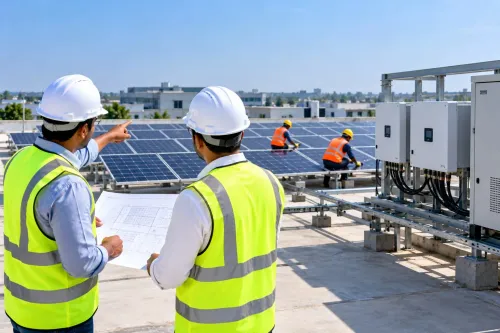
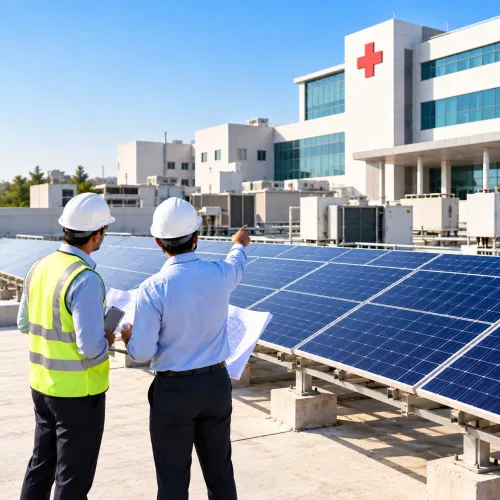
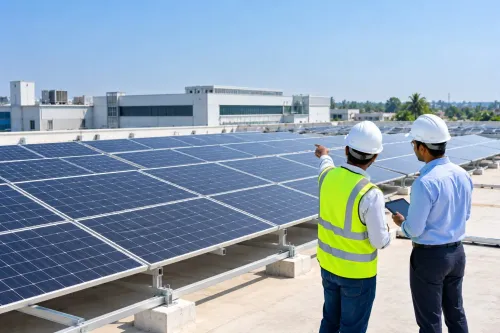
Every property has different energy requirements and rooftop conditions. Professional planning includes site inspection, shadow analysis, structural evaluation, system sizing, and energy generation estimates before installation begins.
Homeowners in Nashik increasingly prefer companies that recommend customised solutions instead of standard package offerings. SunsetLife Solar Pvt. Ltd. follows this consultative approach by evaluating each home's electricity usage, roof layout, and long-term requirements before recommending an appropriate residential solar system.
The Reality About Residential Solar Panels
Residential solar panels are no longer an emerging technology—they have become a practical and dependable energy solution for homeowners looking to reduce electricity costs and increase energy independence.
Rather than relying on common myths or assumptions, take time to understand how solar systems work, compare equipment quality, and choose experienced professionals who prioritise safety, efficiency, and long-term performance. With the right planning, a residential solar installation in Nashik can provide clean, reliable electricity and lasting value for decades while supporting a more sustainable future.
Keywords