Installing a solar energy system is a long-term investment that can help reduce electricity expenses and improve energy independence. However, the success of a Solar Panel Installation depends on careful planning, quality equipment, and proper execution rather than simply selecting the lowest quotation.
Whether the property is residential, commercial, or industrial, understanding the installation process allows property owners to make informed decisions and avoid unnecessary complications.
Every Property Needs a Different Solution
No two buildings have identical electricity requirements or roof conditions. A system that performs well for one property may not be suitable for another.
Before installation, professionals generally evaluate:
- Monthly electricity consumption
- Roof size and orientation
- Structural strength
- Available sunlight throughout the day
- Future electricity requirements
These factors help determine the most appropriate system size and design.
The Major Stages of Installation
A professionally managed solar project follows a structured process to ensure efficiency and safety.
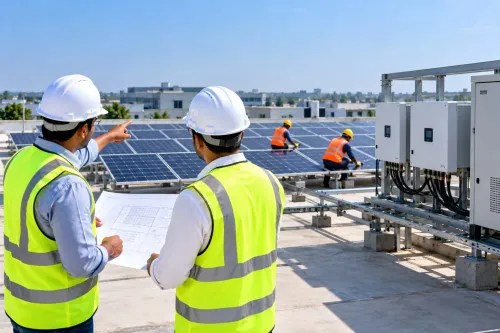
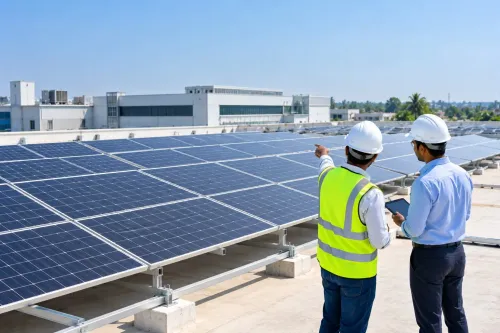
Site Survey
The first step is understanding the property's physical layout and identifying any factors that could affect energy generation.
System Design
Based on the survey and electricity usage, engineers prepare a customized layout that maximises available roof space.
Equipment Selection
Choosing suitable solar panels, inverters, mounting structures, and electrical protection devices contributes to reliable long-term performance.
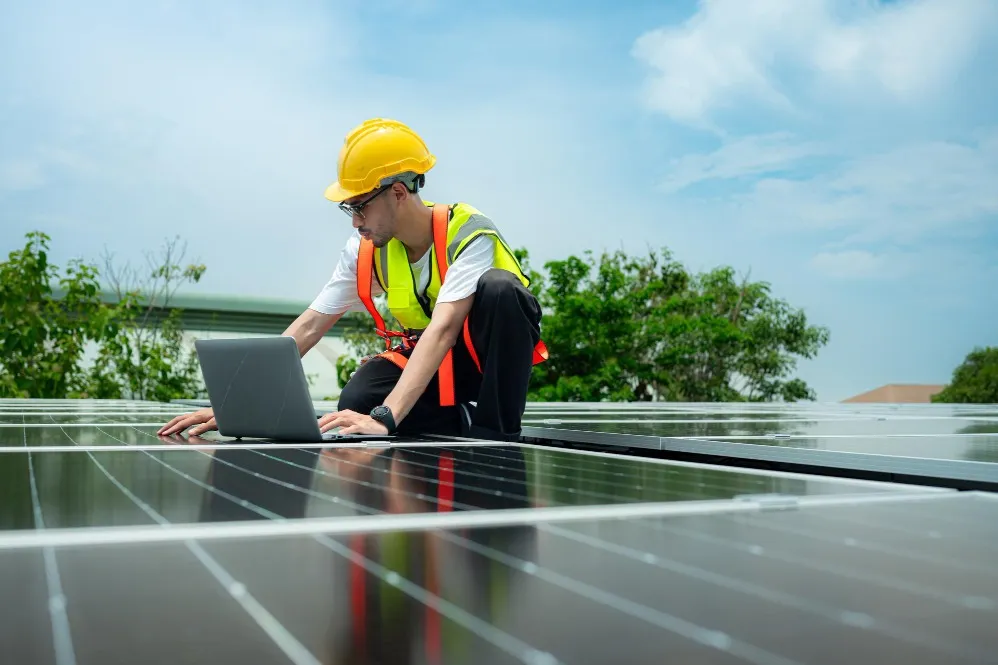
Installation and Testing
After mounting and electrical connections are completed, the system undergoes testing to verify safe and efficient operation.
Common Mistakes That Can Affect Performance
Some installation issues are avoidable with proper planning.
Property owners should avoid:
- Choosing a system without analysing electricity consumption.
- Ignoring rooftop maintenance before installation.
- Selecting equipment solely because it is inexpensive.
- Overlooking future energy requirements.
- Skipping routine cleaning after commissioning.
These mistakes may reduce system efficiency over time.
Why Maintenance Remains Important
Although solar systems require relatively little maintenance, periodic care supports consistent energy production.
Routine maintenance generally includes:
- Cleaning the panels
- Inspecting electrical connections
- Checking inverter performance
- Monitoring energy generation
- Identifying any signs of wear
Preventive maintenance helps maintain reliable operation throughout the system's lifespan.
Solar Adoption Continues to Grow
Across Nashik and many parts of Maharashtra, homeowners, businesses, educational institutions, and industries are increasingly investing in renewable energy to improve long-term energy management. Companies such as SunsetLife Solar Pvt. Ltd. typically begin each project with a detailed site assessment before recommending an installation plan that suits the property's specific requirements.
Frequently Asked Questions
How long does installation usually take?
The timeline varies according to system size, property type, and installation complexity.
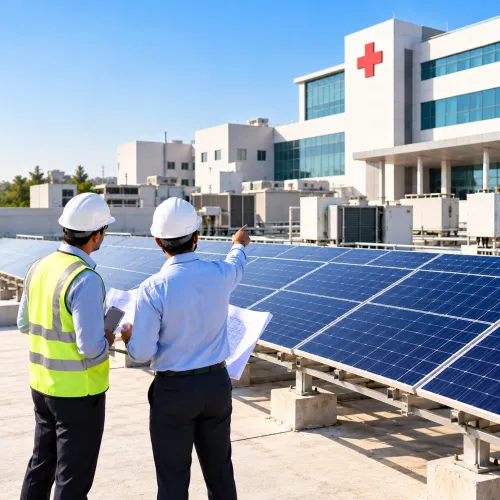
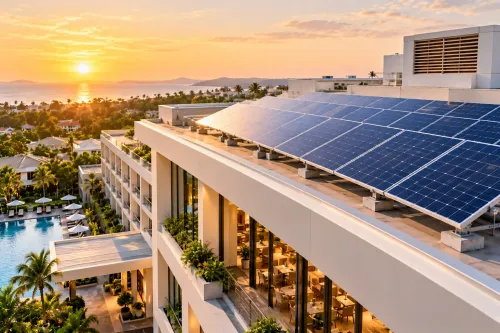
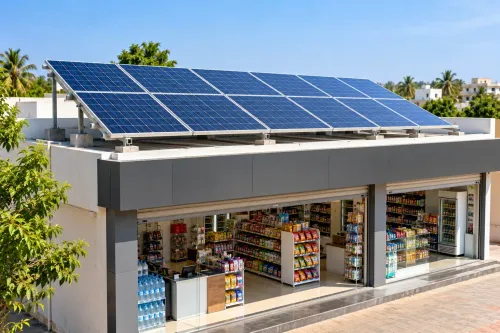
Can solar panels be installed on existing buildings?
Yes. Many existing residential and commercial properties are suitable after a structural assessment.
Do solar panels require frequent servicing?
Routine cleaning and occasional inspections are generally sufficient for most systems.
Will installation damage the roof?
Professional installation methods are designed to protect the roof while securely supporting the solar system.
A well-planned Solar Panel Installation provides long-term value through reliable electricity generation and efficient energy management. Careful planning, quality workmanship, and regular maintenance all contribute to the success of the investment.
Keywords