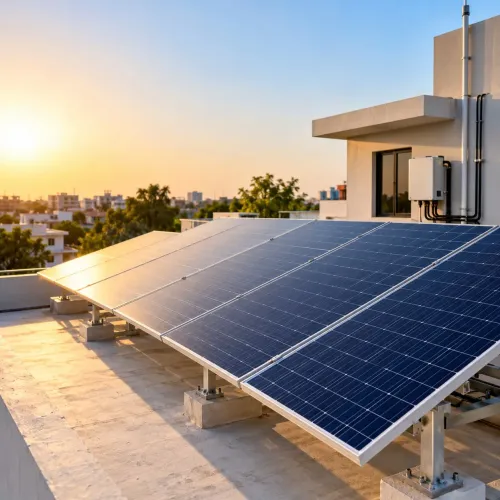
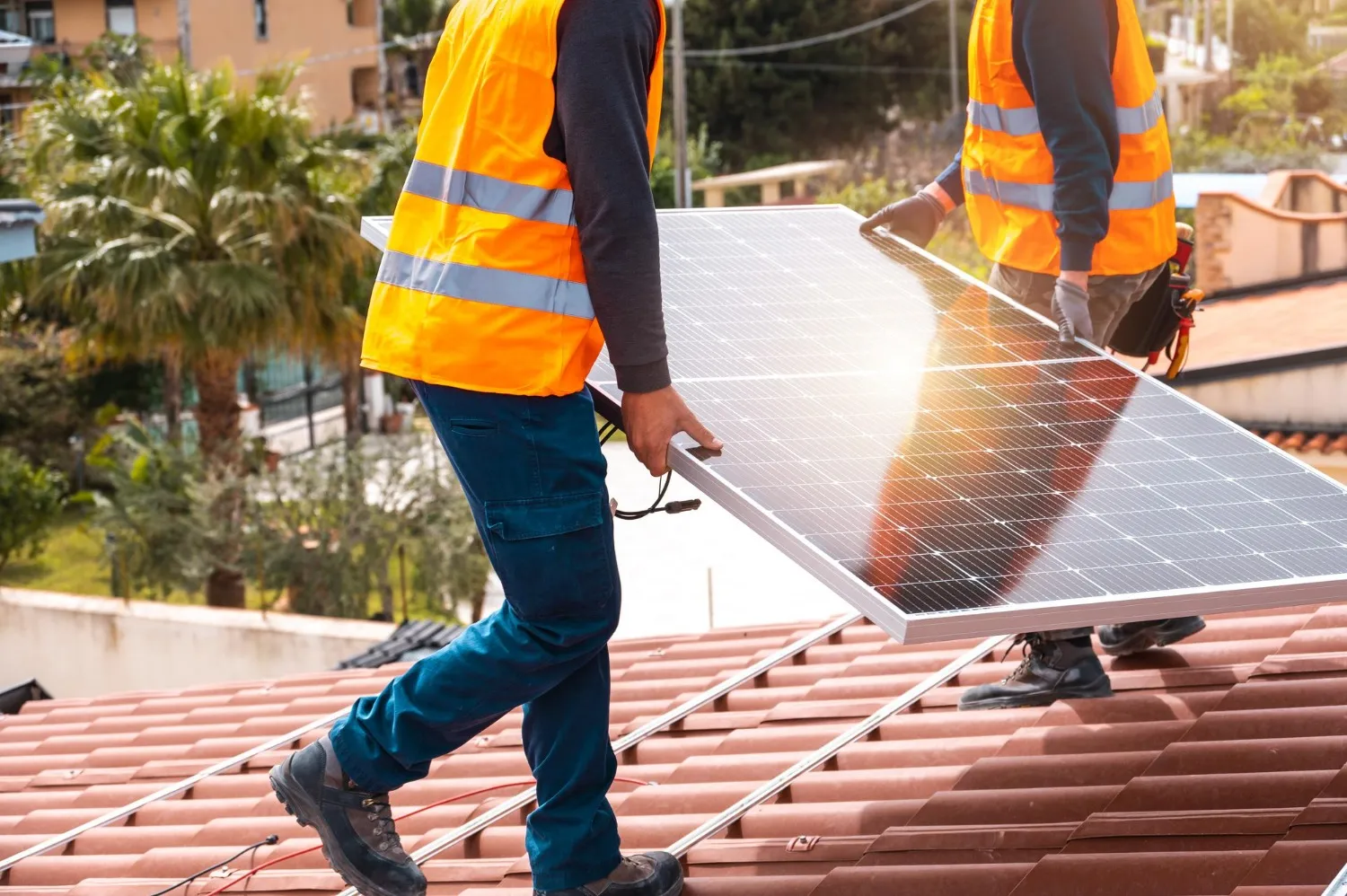
A residential solar system can help homeowners use available rooftop space to generate electricity, but the success of the installation depends heavily on correct planning. A Solar Setup for House should be designed around the household’s actual electricity consumption, rooftop conditions, and expected future requirements.
For homeowners in Nashik, Maharashtra, evaluating these factors before selecting system capacity can prevent both undersizing and unnecessary oversizing.
Start With Your Electricity Bills
Gather electricity bills covering several months.
Look at monthly unit consumption rather than focusing only on the amount payable. Electricity charges can change based on tariffs and billing structures, while units consumed provide a clearer picture of household energy use.
Also consider seasonal variations.
Air conditioners, water pumps, electric water heating, kitchen appliances, home offices, and other equipment can significantly change consumption during different periods.
Understand When Electricity Is Used
Solar panels generate electricity during daylight hours, so the timing of household consumption matters.
A home where residents work remotely and use appliances throughout the day may have a different solar utilization pattern from a house that remains mostly empty until evening.
This does not automatically determine whether solar is suitable, but it is an important part of system planning.
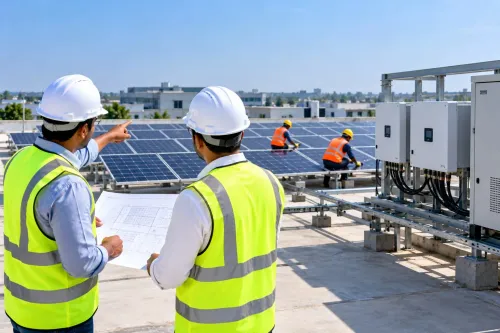
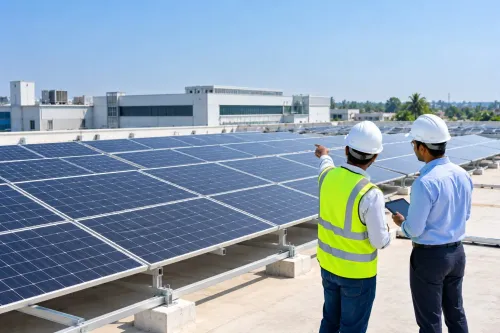
Inspect the Rooftop Properly
Not every square metre of terrace can necessarily be used for solar panels.
The assessment should consider:
- Shade from surrounding buildings
- Water tanks
- Staircase structures
- Antennas
- Existing equipment
- Roof access
- Maintenance pathways
- Structural conditions
- Panel orientation
Future construction plans should also be discussed before installation.
Installing panels in an area that may later need modification can create avoidable costs.
Avoid Choosing Capacity Based on Neighbouring Homes
Two similar houses can have very different electricity requirements.
One family may use multiple air conditioners and work from home, while another may have relatively low daytime consumption.
Therefore, copying a neighbour’s system size is rarely the best planning method.
System capacity should be calculated from your own bills, consumption pattern, usable roof area, and objectives.
Ask What the Quotation Includes
Residential solar quotations can differ significantly in scope.
Before comparing prices, check the specifications of panels, inverter, mounting structure, cables, electrical protection, earthing, monitoring equipment, installation work, warranties, and post-installation support.
A lower quotation may not always represent the same equipment or service scope.
Think About Future Electricity Demand
Household consumption can change.
An additional air conditioner, electric vehicle, home office, new floor, expanded family occupancy, or other electrical equipment may increase future demand.
Discuss realistic planned changes during the assessment so they can be considered in the system design.
Plan Maintenance Access
Solar panels may need periodic cleaning, especially when dust accumulation affects the module surface.
The system layout should allow safe access without requiring panels to be dismantled.
Monitoring generation can also help homeowners notice unusual performance changes.
SunsetLife Solar Pvt. Ltd. assists residential customers in Nashik with solar planning based on site conditions and electricity requirements. A thoughtfully designed Solar Setup for House begins with understanding consumption before selecting equipment.
Homeowners who evaluate their bills, roof, daytime usage, system specifications, warranties, maintenance needs, and future demand are better positioned to choose a solar installation that fits their property rather than simply purchasing a standard package.
Keywords