People planning to install a solar power system often come across two common options: on-grid and off-grid systems. While both generate electricity using solar panels, their working models, costs, and practical applications are quite different.
Choosing the right setup depends on electricity availability, energy consumption habits, budget, and backup requirements. For homeowners and businesses in Nashik, understanding the difference between these systems can prevent expensive planning mistakes later.
What Is an On-Grid Solar System?
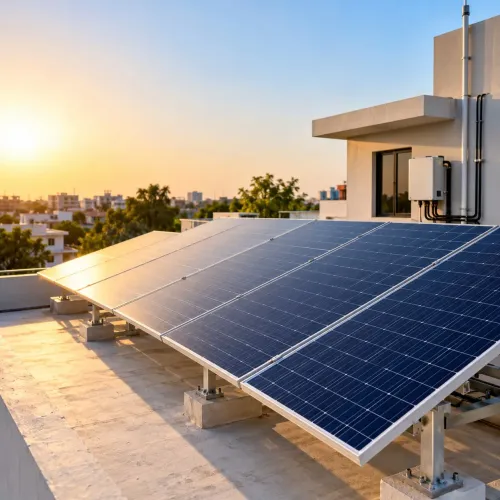
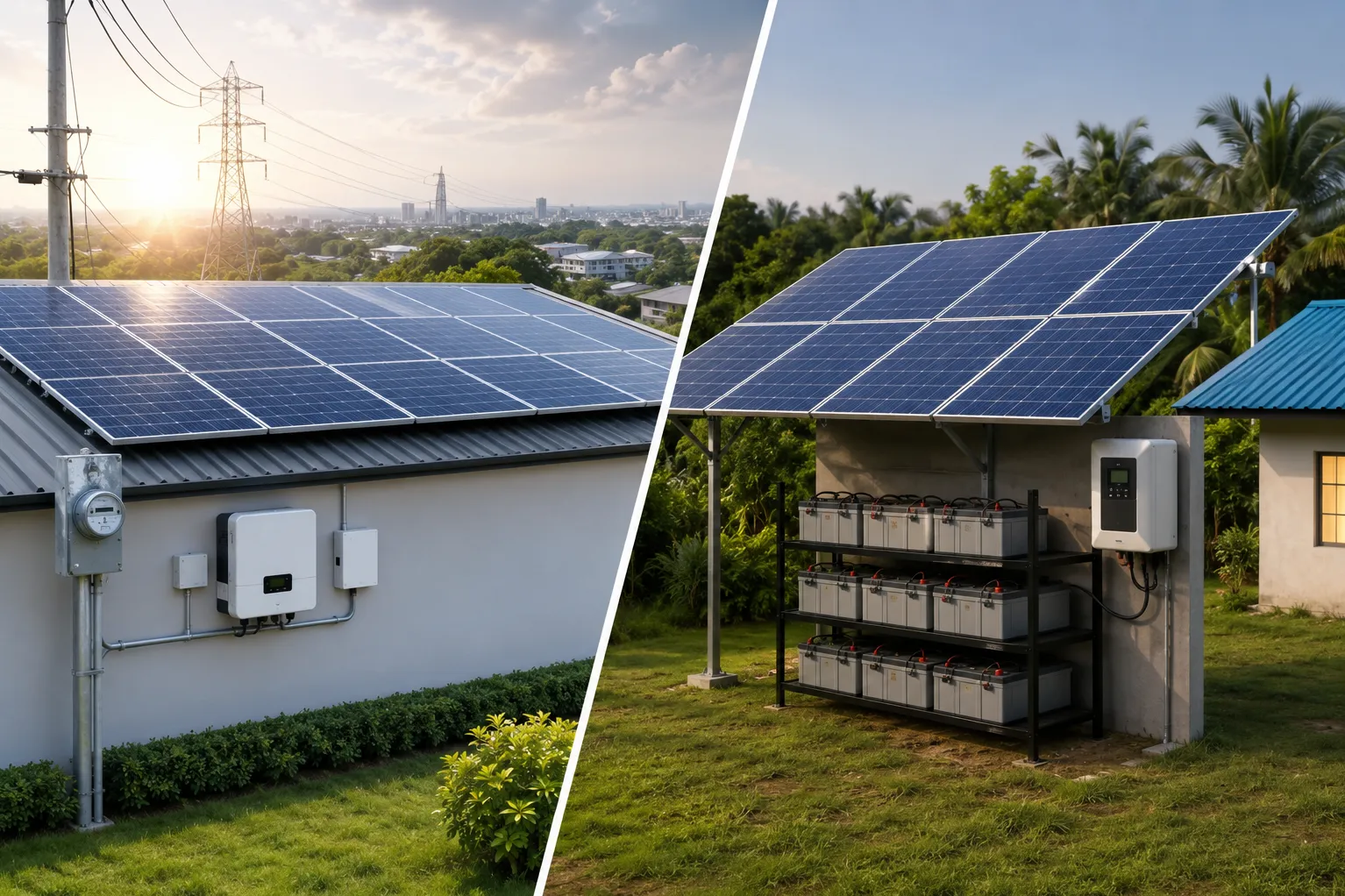
An on-grid solar system is connected directly to the utility electricity network. During daytime hours, solar panels generate electricity that powers appliances and equipment.
If the system produces excess electricity, it can be exported to the grid through net metering. Similarly, when solar generation is low, electricity is drawn from the utility connection.
Advantages of On-Grid Systems
- Lower installation cost
- No expensive battery storage required
- Net metering benefits
- Efficient for urban residential and commercial properties
- Easier maintenance
Best Suitable For
- Homes with regular electricity supply
- Offices and shops
- Schools and hospitals
- Businesses operating during daytime hours
What Is an Off-Grid Solar System?
An off-grid solar system works independently without relying on the electricity grid. These systems use batteries to store solar energy for nighttime or backup use.
Off-grid systems are commonly installed in remote areas where grid access is unavailable or unreliable.
Advantages of Off-Grid Systems
- Complete energy independence
- Backup power during outages
- Useful for remote locations
- Reduced dependency on utility infrastructure
Challenges of Off-Grid Systems
- Higher installation cost
- Battery replacement expenses
- More maintenance requirements
- Larger system planning needed
Which System Is Better for Urban Properties in Maharashtra?
For most residential and commercial properties in Nashik and nearby urban regions, on-grid systems are generally more practical because they offer:
- Lower investment cost
- Faster return on investment
- Net metering savings
- Easier scalability
Off-grid systems are more suitable for rural locations, agricultural applications, remote facilities, or areas with unreliable electricity access.
Hybrid Solar Systems: A Middle Ground
Some users prefer hybrid systems that combine grid connectivity with battery backup.
Hybrid systems offer:
- Solar power usage during daytime
- Backup storage during outages
- Reduced dependency on the grid
- Better energy flexibility
However, they also involve higher installation costs compared to standard on-grid systems.
Factors to Evaluate Before Choosing a Solar System
Electricity Availability
Properties with stable grid power usually benefit more from on-grid setups.
Budget
Battery-based systems significantly increase project cost.
Backup Requirement
If uninterrupted power is critical, hybrid or off-grid systems may be worth considering.
Roof Space
Available installation area affects total system capacity.
Future Expansion
Energy needs may increase over time due to additional appliances or operational growth.
Importance of Proper System Design
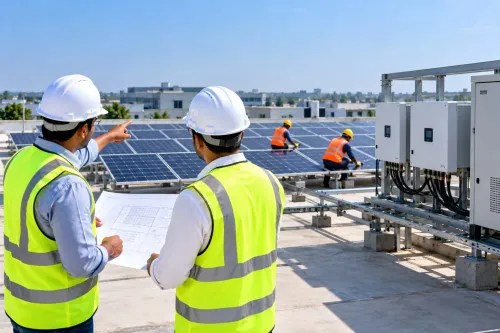
Solar systems should not be selected based only on online recommendations or generic package sizes. Professional load analysis and site assessment help determine the most suitable configuration.
An experienced solar EPC company generally evaluates:
- Monthly electricity consumption
- Roof orientation
- Shadow analysis
- Power backup needs
- Net metering eligibility
Companies like SunsetLife Solar Pvt. Ltd assist residential, commercial, and industrial clients in Maharashtra with customized solar energy solutions based on property type and usage requirements.
Choosing the Right System Depends on Practical Needs
There is no universal answer when comparing on-grid and off-grid solar systems. The best option depends on how the property consumes electricity and what the user expects from the system in the long run.
Understanding these differences before installation helps homeowners and businesses make informed decisions that align with their financial and operational goals.
Keywords