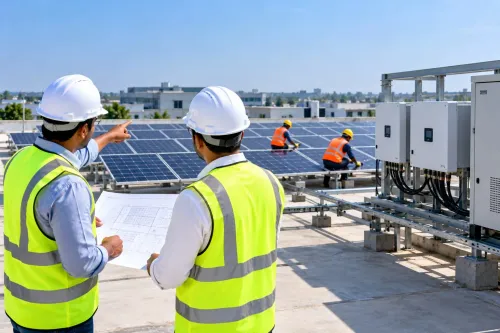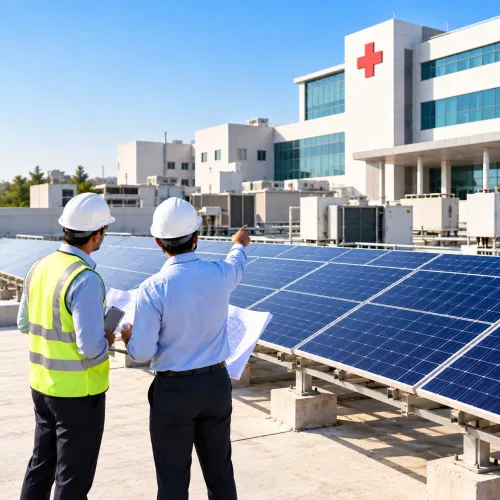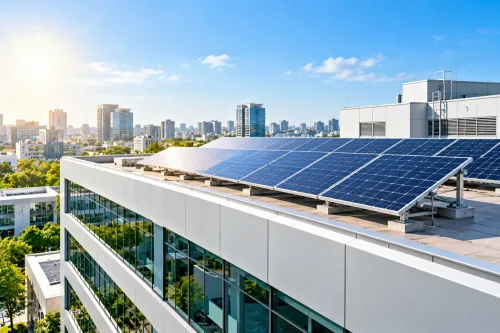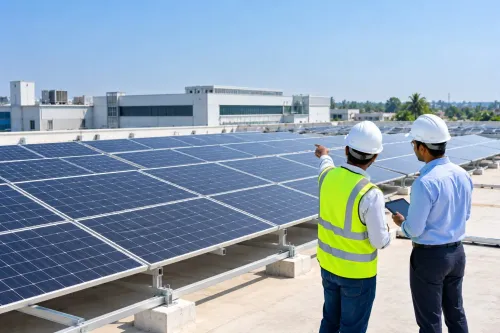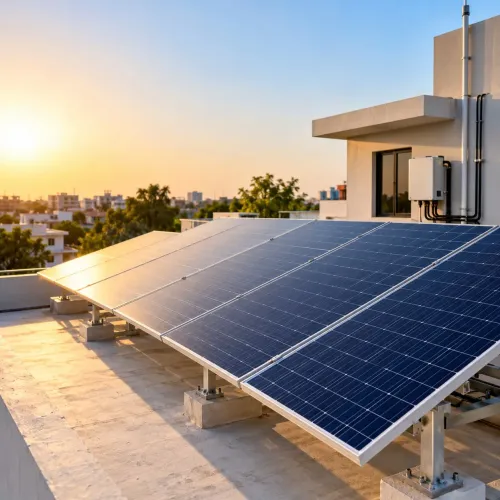
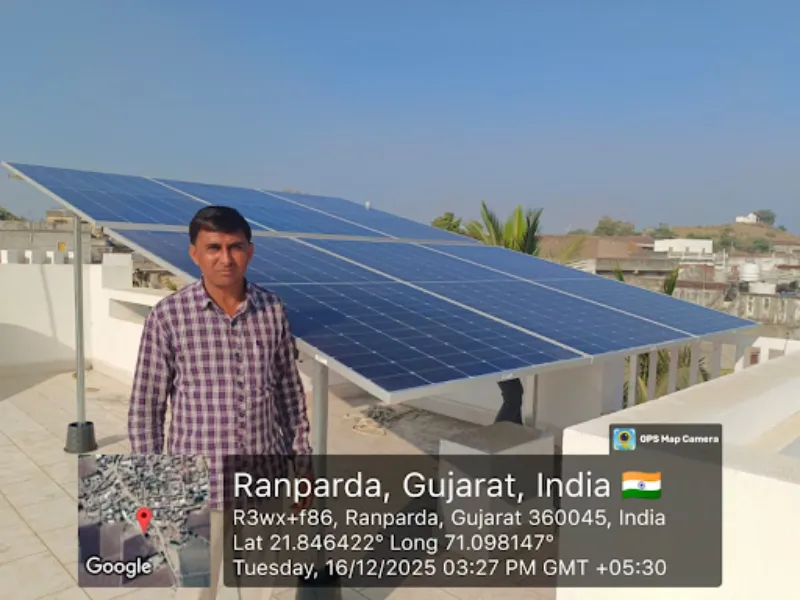
Electricity bills have become a growing concern for many homeowners across Nashik and other parts of Maharashtra. Air conditioners, water pumps, kitchen appliances, and work-from-home setups have increased household power consumption significantly over the last few years. This is one of the main reasons why residential rooftop solar systems are gaining attention among families looking for long-term savings and energy independence.
A solar system for home works by converting sunlight into electricity through photovoltaic panels installed on rooftops or open terrace spaces. During the day, the generated power can run household appliances directly, reducing dependency on grid electricity. In on-grid systems, excess electricity can even be exported back to the grid through net metering.
For homeowners in Nashik, solar power offers a practical advantage because the region receives strong sunlight for most months of the year. This makes rooftop systems more efficient and financially beneficial compared to areas with lower solar exposure.
Understanding the Main Components of a Residential Solar Power System
A standard residential solar setup generally includes:
- Solar panels
- Solar inverter
- Mounting structure
- Electrical wiring and safety equipment
- Net meter connection
- Monitoring system
The size of the system depends on electricity usage. A family with moderate monthly consumption may choose a 3 kW to 5 kW system, while larger homes with higher appliance usage may require bigger capacities.
Why Homeowners Are Switching to Rooftop Solar
Many homeowners initially consider solar because of rising electricity bills, but the long-term benefits often go beyond savings.
Lower Monthly Expenses
One of the biggest advantages is reduced electricity expenditure. Depending on system size and usage patterns, households can significantly cut their monthly bills.
Protection Against Future Tariff Hikes
Electricity rates in Maharashtra continue to increase over time. Installing a solar power system helps homeowners reduce dependence on conventional electricity pricing.
Better Use of Rooftop Space
Unused terrace areas can become productive energy-generating spaces without affecting daily activities.
Environmentally Responsible Living
Many families now prefer sustainable energy choices that lower carbon emissions and reduce dependence on fossil fuels.
What Is Net Metering and Why Does It Matter?
Net metering is an important concept for residential solar users. Under this arrangement, surplus electricity generated during the day is sent to the grid, and the homeowner receives credits from the electricity distribution company.
For example:
- If your solar panels produce more electricity than your home consumes during daytime hours, the excess power goes to the grid.
- At night or during cloudy conditions, electricity is drawn from the grid as usual.
- The final bill reflects the difference between exported and imported units.
This system improves the financial return of rooftop solar installations.
Common Questions Homeowners Ask Before Installation
Will Solar Work During Monsoon Season?
Solar panels continue generating electricity during cloudy weather, though production may reduce slightly compared to sunny days.
How Much Roof Space Is Required?
Typically, a 1 kW system requires around 80–100 square feet of shadow-free rooftop area.
Are Solar Panels Difficult to Maintain?
Modern solar panels require minimal maintenance. Basic cleaning and occasional inspections are generally enough.
How Long Do Solar Panels Last?
Most high-quality solar panels have a lifespan of 25 years or more.
Choosing the Right Solar Installation Company
Many homeowners make the mistake of selecting systems based only on price. However, installation quality, component reliability, and engineering standards play a major role in long-term performance.
An experienced solar EPC provider helps with:
- Site inspection
- System design
- Load assessment
- Government approvals
- Net metering applications
- Installation and commissioning
- Maintenance support
In Maharashtra, companies like SunsetLife Solar Pvt. Ltd are helping residential customers understand system sizing, subsidy processes, and rooftop installation requirements through end-to-end solar EPC services.
Is Residential Solar Worth It?
For many homeowners in Nashik, rooftop solar has become less of a luxury and more of a practical financial decision. The combination of abundant sunlight, increasing electricity costs, and government support schemes makes solar energy solutions a viable option for households seeking long-term savings and cleaner energy consumption.
Keywords