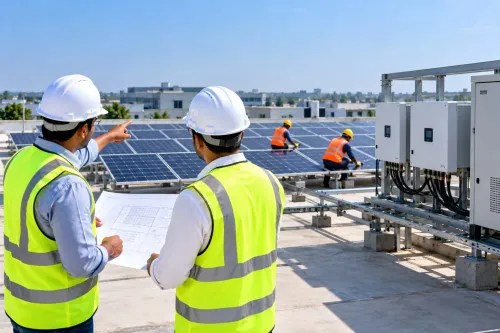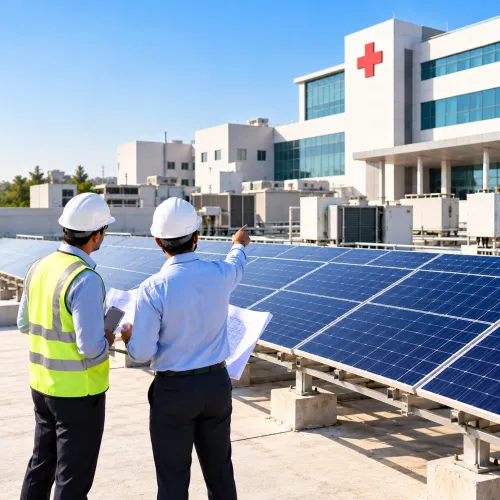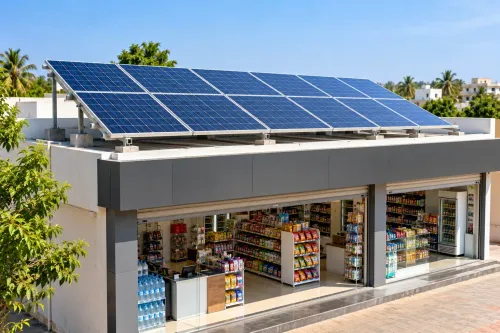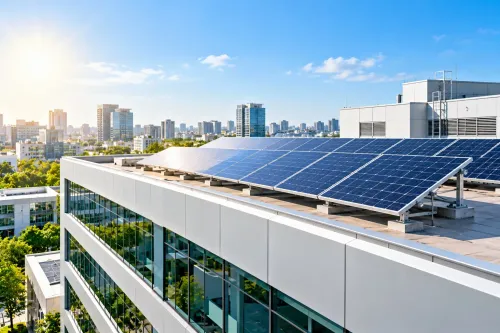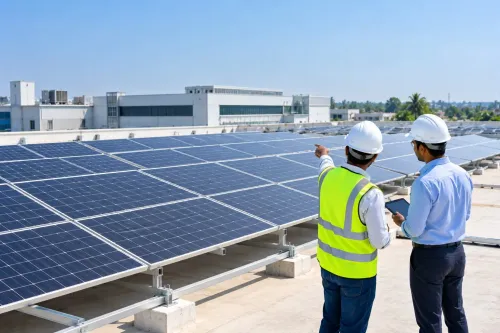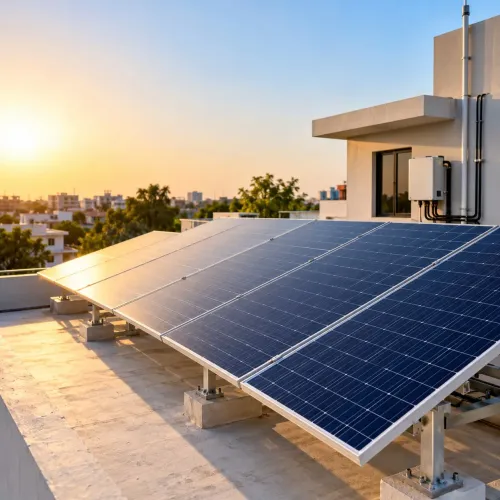
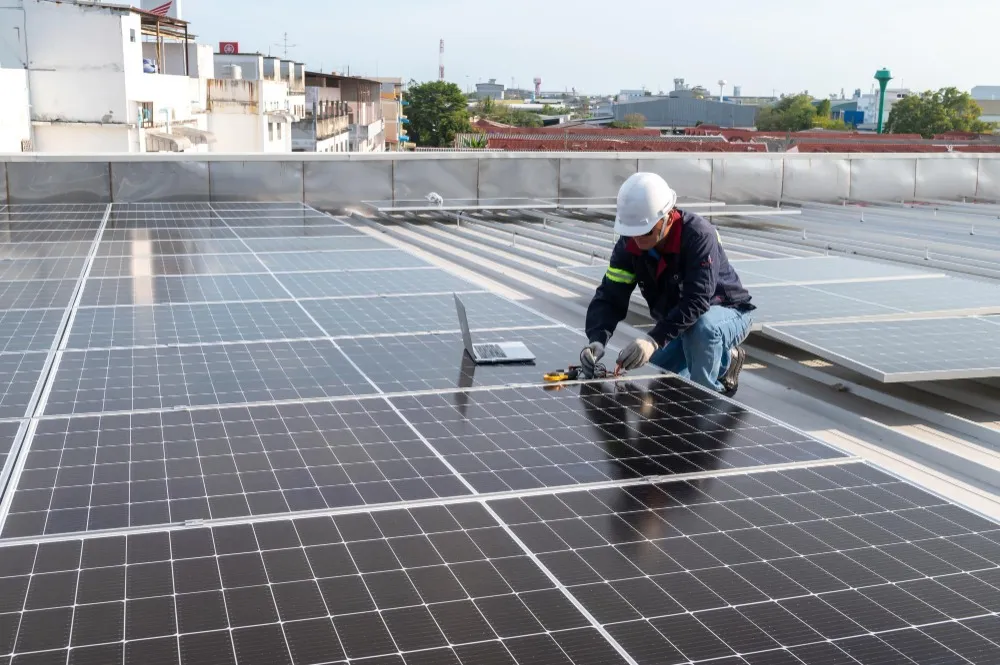
A well-designed Solar Plant Installation can help businesses, institutions, industries, and large residential developments generate clean electricity for decades. While solar technology has become more accessible, the success of any project depends on proper planning before the first panel is installed.
Site conditions, electricity demand, engineering design, and equipment selection all influence how efficiently a solar plant performs over its lifetime. Understanding these factors helps property owners make informed decisions and maximise the value of their investment.
Understanding the Purpose of a Solar Plant
A solar plant converts sunlight into usable electricity through interconnected components such as solar modules, inverters, mounting structures, electrical protection systems, and monitoring equipment.
Unlike smaller residential installations, larger solar plants often serve facilities with significant daytime electricity consumption, including:
- Manufacturing units
- Warehouses
- Hospitals
- Educational campuses
- Commercial complexes
- Hotels
- Government facilities
Because every facility operates differently, each project should begin with a detailed assessment rather than a standard design.
Important Factors Before Installation
Planning is the foundation of a successful project. Several technical aspects should be reviewed before installation begins.
Electricity Consumption
Analysing historical electricity usage helps determine the ideal plant capacity.
Site Suitability
Roof strength, available land, shading, drainage, and accessibility all influence installation planning.
Equipment Selection
High-quality solar panels, inverters, cables, mounting structures, and protection devices contribute to reliable long-term operation.
Future Expansion
Businesses expecting increased electricity demand should consider scalable system designs during the planning stage.
Common Challenges During Installation
Large solar projects require careful coordination across multiple activities.
Some common challenges include:
- Structural limitations
- Limited installation space
- Weather-related delays
- Electrical integration with existing infrastructure
- Safety compliance during construction
Professional planning helps reduce these challenges and supports smoother project execution.
Maintenance After Commissioning
Although solar plants require relatively low maintenance, regular inspections help maintain energy generation throughout their operating life.
A maintenance programme generally includes:
- Cleaning solar modules
- Inspecting electrical connections
- Monitoring inverter performance
- Checking mounting structures
- Reviewing energy generation reports
Routine maintenance helps identify small issues before they affect overall performance.
Why Regional Experience Adds Value
Climate, dust levels, rooftop designs, and seasonal weather conditions can influence solar performance. Working with a provider familiar with local operating conditions often supports better project planning.
Across Nashik and other regions of Maharashtra, many commercial and industrial organisations are adopting renewable energy as part of their long-term infrastructure strategy. Companies such as SunsetLife Solar Pvt. Ltd. generally conduct comprehensive site evaluations before recommending a customized solar plant design that aligns with the property's operational requirements.
Frequently Asked Questions
How is the size of a solar plant determined?
System capacity is based primarily on electricity consumption, available installation area, and future energy requirements.
Can existing facilities install a solar plant?
Yes. Most existing commercial and industrial properties can be evaluated for rooftop or ground-mounted solar installations.
Does a solar plant require daily maintenance?
No. Routine inspections and periodic cleaning are generally sufficient to maintain efficient operation.
How long is a solar plant expected to operate?
Quality systems are designed to deliver reliable electricity generation for many years with appropriate maintenance.
A carefully planned Solar Plant Installation provides dependable renewable energy while helping organisations improve long-term energy management. The combination of technical planning, quality equipment, and ongoing maintenance plays a significant role in achieving consistent performance.
Keywords