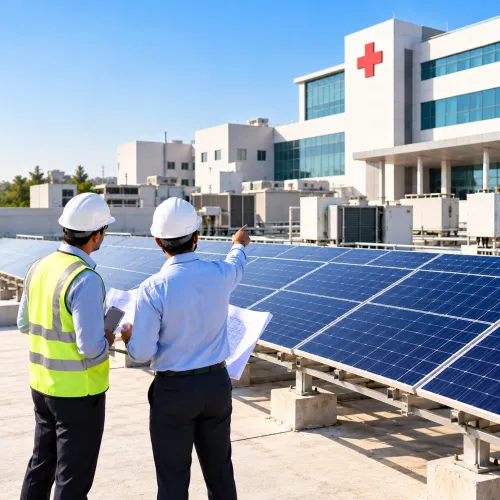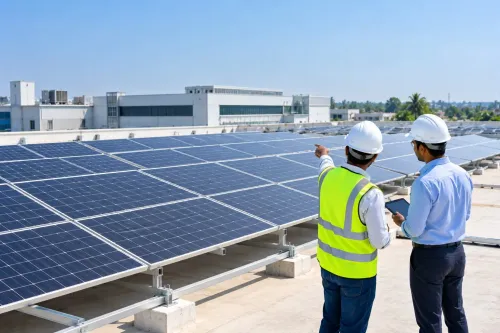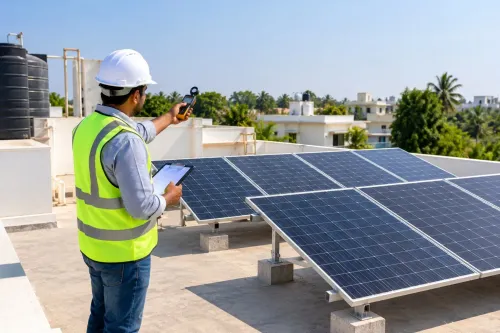
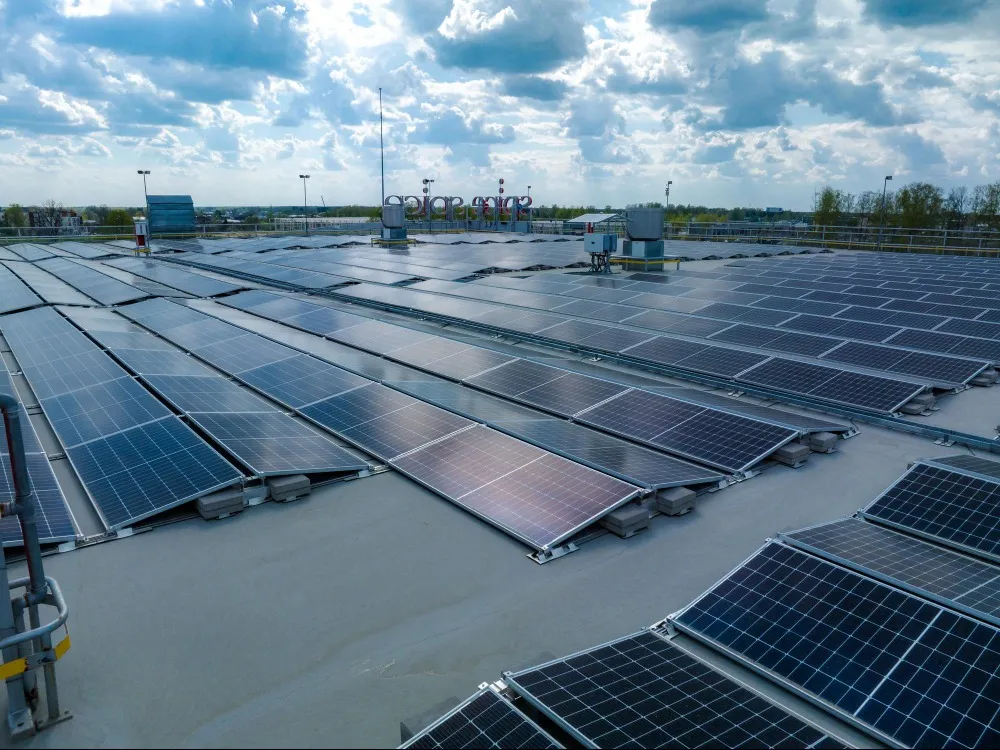
Installing solar at a commercial building, factory, hospital, school, warehouse, or industrial facility involves considerably more planning than simply placing photovoltaic panels on available space. Large projects require engineering, procurement, installation coordination, electrical integration, safety planning, testing, and commissioning.
This is where a Solar EPC Company becomes relevant.
EPC stands for engineering, procurement, and construction. The model provides an integrated approach in which different stages of a solar project are coordinated within a structured implementation process.
Engineering Creates the Project Foundation
Engineering begins with understanding how the property uses electricity.
A technical assessment may consider:
- Historical electricity consumption
- Connected electrical load
- Daytime demand
- Roof area
- Structural suitability
- Shading conditions
- Electrical infrastructure
- Cable routing
- Panel placement
- Inverter configuration
- Safety requirements
The objective is to create a system that fits both the site and its energy requirements.
For factories in Nashik, Maharashtra, this becomes particularly important because industrial load profiles can vary considerably based on machinery, shifts, production schedules, and seasonal demand.
Procurement Is More Than Buying Equipment
Procurement involves selecting components that work together effectively.
A solar project typically includes photovoltaic modules, inverters, mounting structures, electrical cables, connectors, protection equipment, earthing components, monitoring equipment, and associated hardware.
Component selection should consider technical compatibility, certifications, warranties, project conditions, availability, and expected operating environment.
Purchasing individual components purely on the lowest quotation can create compatibility and maintenance challenges later.
Construction Requires Careful Execution
Once engineering and procurement are completed, the installation stage translates the design into an operational solar plant.
Installation activities may include mounting structure placement, panel installation, inverter positioning, DC and AC cabling, electrical protection, earthing, testing, and system integration.
Workmanship matters because solar systems are expected to operate for many years.
Proper cable management, secure mounting, safe electrical connections, and suitable equipment placement can contribute significantly to reliable operation.
Commissioning Confirms System Readiness
A solar installation should be checked before regular operation begins.
Commissioning may involve verifying electrical connections, inverter operation, protection systems, system parameters, monitoring functions, and expected generation behaviour.
This stage helps identify installation issues before the project moves into routine use.
Why Businesses Prefer Integrated Project Management
Coordinating several independent vendors can make accountability difficult. The panel supplier may handle only modules, another contractor may install structures, while separate teams manage electrical work and commissioning.
An EPC approach can simplify coordination by bringing engineering, equipment procurement, construction, and commissioning into a connected workflow.
This is particularly valuable for commercial and industrial projects where delays can affect operational planning.
Evaluate EPC Capability Carefully
Before selecting a provider, businesses should ask practical questions.
How is system capacity calculated? What site assessment is conducted? Which components are proposed? How are warranties documented? What monitoring options are included? What happens after commissioning?
The answers reveal much more than a simple price-per-kilowatt comparison.
SunsetLife Solar Pvt. Ltd. provides solar project solutions for customers across Nashik, including residential, commercial, and industrial applications. For larger installations, working with a capable Solar EPC Company can help ensure that technical planning, procurement, execution, and commissioning are treated as connected parts of one energy project rather than isolated activities.
Keywords