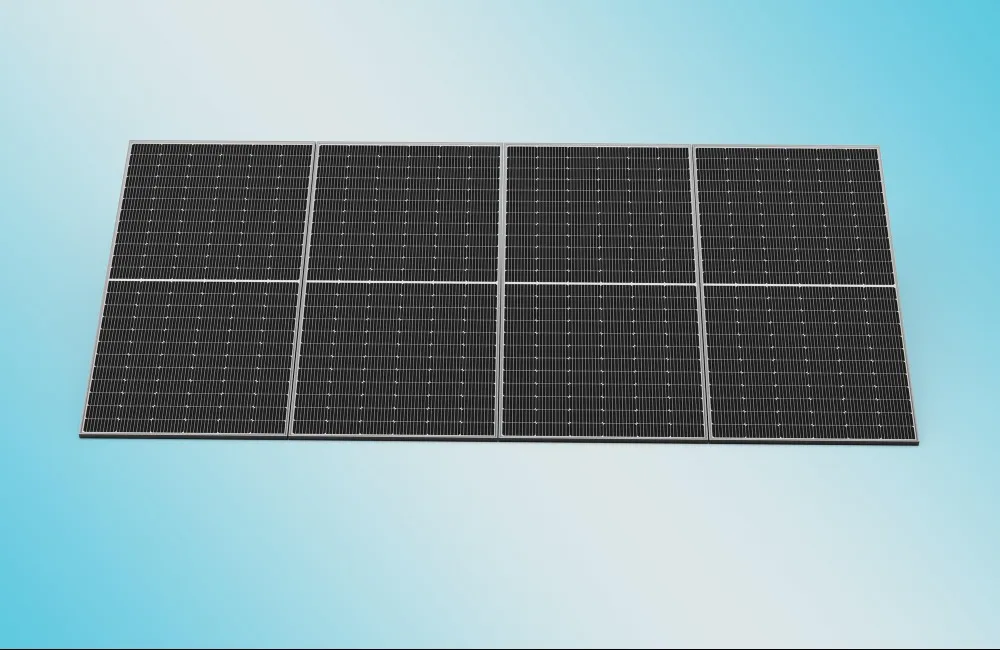
Selecting the right solar panel supplier is one of the most important steps in planning a solar installation. Whether the project is residential, commercial, or industrial, the quality of supplied components directly affects system performance, reliability, and long-term maintenance requirements.
As solar demand continues growing in Nashik and other parts of Maharashtra, buyers are increasingly comparing suppliers not only on pricing but also on technical support, component quality, and project reliability.
Why the Supplier Matters in a Solar Project
Solar panels are expected to generate electricity efficiently for decades. Poor-quality products may lead to reduced output, premature degradation, or maintenance complications.
A reliable solar panel supplier helps customers understand:
- Product quality
- Suitable panel technology
- System compatibility
- Warranty terms
- Performance expectations
Start With Product Quality Verification
Before selecting a supplier, buyers should check whether the products meet recognized quality and certification standards.
Important factors include:
- Manufacturing standards
- Efficiency ratings
- Durability under high temperatures
- Performance warranties
This is especially relevant in Maharashtra, where solar panels operate under strong sunlight and varying seasonal conditions.
Compare Panel Technologies Carefully
Different projects require different panel configurations.
Monocrystalline Panels
Suitable for properties with limited rooftop space because of higher efficiency.
Polycrystalline Panels
Often selected for budget-sensitive projects.
High-Efficiency Commercial Panels
Used for industrial and commercial projects requiring optimized power generation.
A professional supplier explains the advantages and limitations of each option clearly.
Evaluate Supply Consistency
For larger projects, timely product availability is important.
Commercial and industrial buyers should confirm:
- Stock availability
- Delivery timelines
- Procurement coordination
- Compatibility with project schedules
Delayed supply can affect installation timelines significantly.
Ask About Technical Support
Reliable suppliers generally provide more than basic product sales.
Technical support may include:
- Panel selection guidance
- Compatibility recommendations
- System planning assistance
- Documentation support
For large-scale solar projects, supplier coordination with EPC teams becomes particularly important.
Understand Warranty Coverage
Buyers should carefully review:
- Product warranty duration
- Performance warranty terms
- Replacement procedures
- Service response support
Clear warranty policies help avoid confusion later.
Avoid Focusing Only on Lowest Cost
Extremely low-priced solar panels may indicate compromised quality or limited long-term reliability.
Instead of comparing only prices, buyers should evaluate:
- Efficiency
- Warranty support
- Supplier reputation
- Product durability
- Technical assistance
Importance of Supplier and EPC Coordination
Many successful solar projects involve close coordination between suppliers and EPC providers.
This helps ensure:
- Proper component compatibility
- Installation efficiency
- Better system performance
- Reduced technical issues
Companies offering both supply and EPC services can often simplify project execution for customers.
Long-Term Planning Creates Better Results
Solar systems are not short-term purchases. They are infrastructure investments expected to perform reliably for decades.
Homeowners and businesses in Nashik are increasingly choosing suppliers that combine quality products with technical guidance and structured project support. Providers like SunsetLife Solar Pvt. Ltd work across solar supply and EPC services to help residential, commercial, and industrial customers plan installations more effectively while focusing on long-term operational efficiency.
Keywords