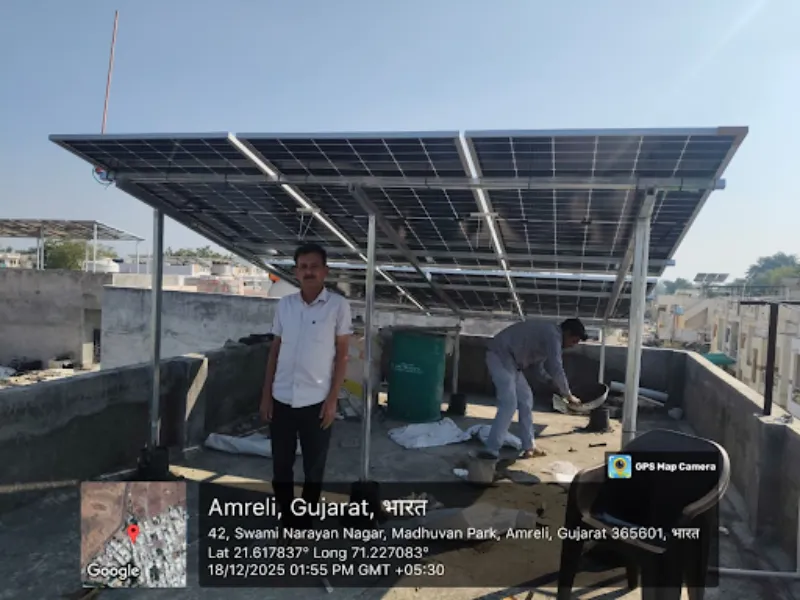
Electricity planning is changing as households and organizations look for ways to manage energy costs while reducing dependence on conventional power sources. Solar power has become one of the most accessible Renewable Energy Solutions for properties with suitable installation space and consistent electricity consumption.
In Nashik, Maharashtra, this applies across homes, commercial buildings, schools, hospitals, offices, warehouses, factories, and other facilities where daytime electricity demand can be significant.
Renewable Energy Begins With Understanding Consumption
Installing solar should not begin with an arbitrary system capacity.
The first step is understanding where and when electricity is being consumed.
A useful assessment examines monthly bills, daytime loads, seasonal consumption, operating hours, connected equipment, and anticipated future demand.
For example, an office with strong daytime consumption may have a different solar profile from a residence where most electricity is consumed after sunset.
Similarly, a manufacturing facility operating several shifts requires a different assessment from a school operating mainly during daytime hours.
Solar Can Reduce Grid Energy Consumption
A grid-connected rooftop solar system generates electricity when sunlight is available. Electricity produced by the system can contribute to the property's power requirements, reducing the amount that needs to be drawn from the grid during suitable operating periods.
Actual savings depend on several factors, including:
- System capacity
- Solar generation
- Electricity consumption pattern
- Available sunlight
- Shading
- System efficiency
- Applicable tariff structure
- Local regulations
- Maintenance
This is why savings projections should be based on realistic assumptions rather than generic percentages.
Energy Efficiency Strengthens Solar Planning
Before sizing a solar plant, businesses can also review energy efficiency.
Inefficient lighting, outdated motors, poorly managed HVAC systems, unnecessary standby loads, and avoidable operational consumption can increase electricity demand.
Reducing waste before calculating solar capacity may improve overall energy planning.
Solar works best as part of a broader strategy that considers both energy generation and energy use.
Different Properties Need Different Solutions
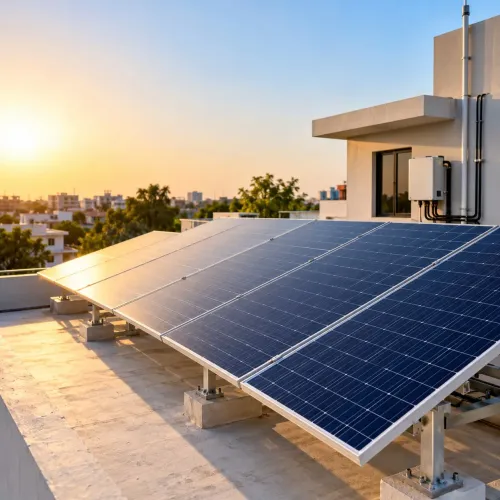
Residential users may prioritize manageable electricity bills and rooftop utilization.
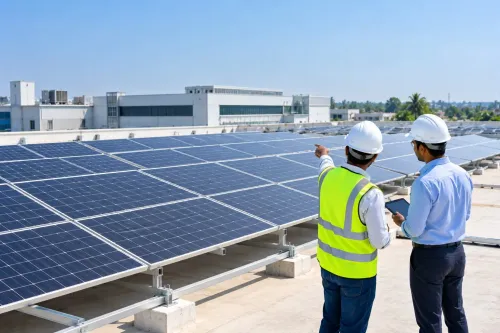
Factories may focus on high daytime consumption and long-term operating costs.
Hospitals require reliable electrical planning because of critical equipment and continuous operations.
Schools may have large roofs and predominantly daytime activity.
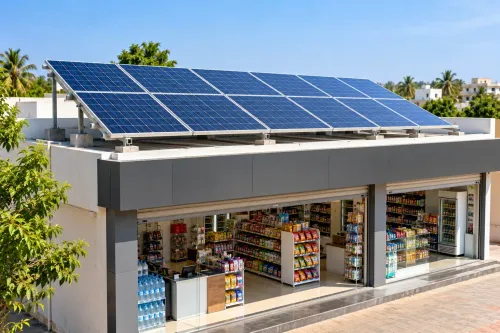
Commercial establishments may want to reduce recurring energy expenditure while using existing rooftop space more productively.
These differences show why renewable energy planning should be site-specific.
Long-Term Performance Deserves Attention
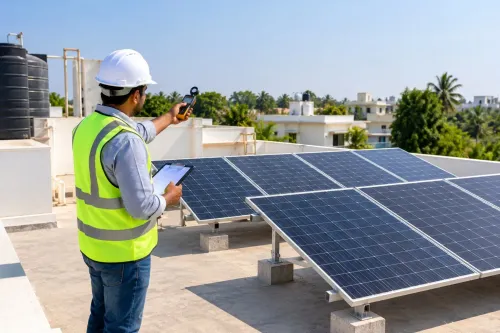
Solar panels are designed for long-term operation, but the complete system needs appropriate installation and periodic attention.
Dust accumulation, shading changes, loose connections, equipment issues, and neglected maintenance can affect output.
Monitoring generation makes it easier to identify unusual performance patterns and plan timely inspection.
A Practical Approach Creates Better Outcomes
SunsetLife Solar Pvt. Ltd. supports solar energy planning for residential, commercial, and industrial properties in Nashik. The objective of a well-designed system should be to match renewable generation with realistic energy needs and site conditions.
When evaluating Renewable Energy Solutions, users should think beyond the immediate installation. Electricity consumption, efficiency improvements, system design, component quality, monitoring, maintenance, and future energy needs all deserve consideration.
Solar becomes more useful when it is treated as part of long-term electricity planning rather than simply an equipment purchase.
Keywords