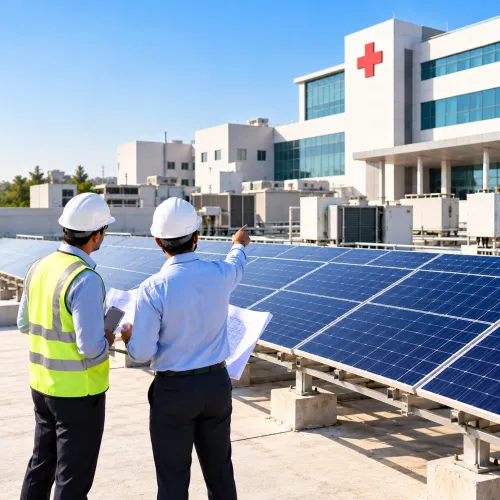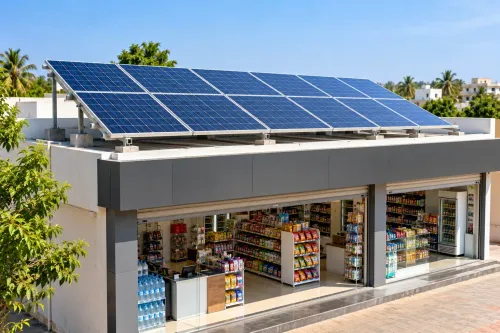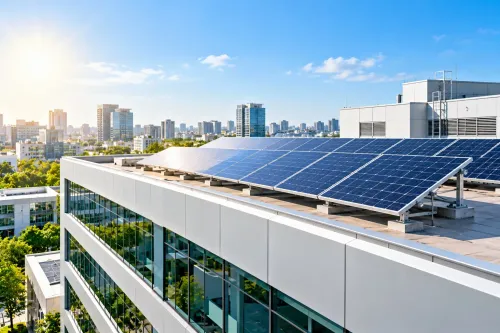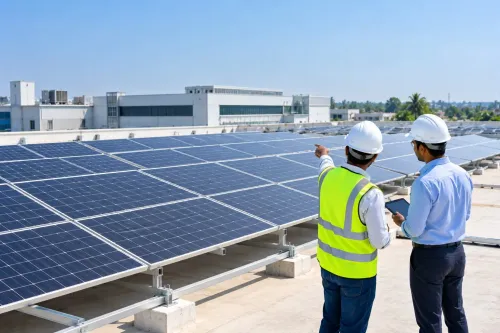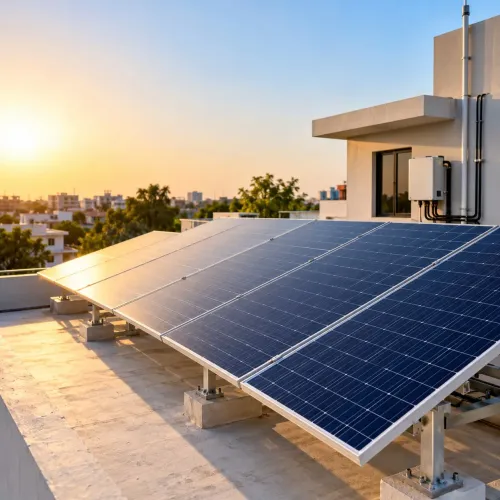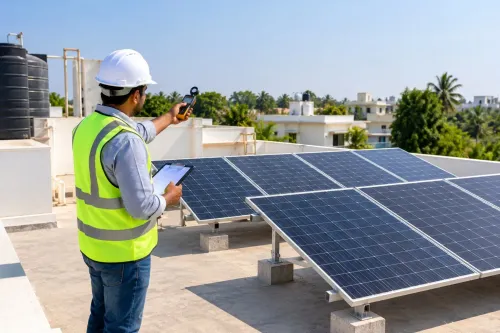
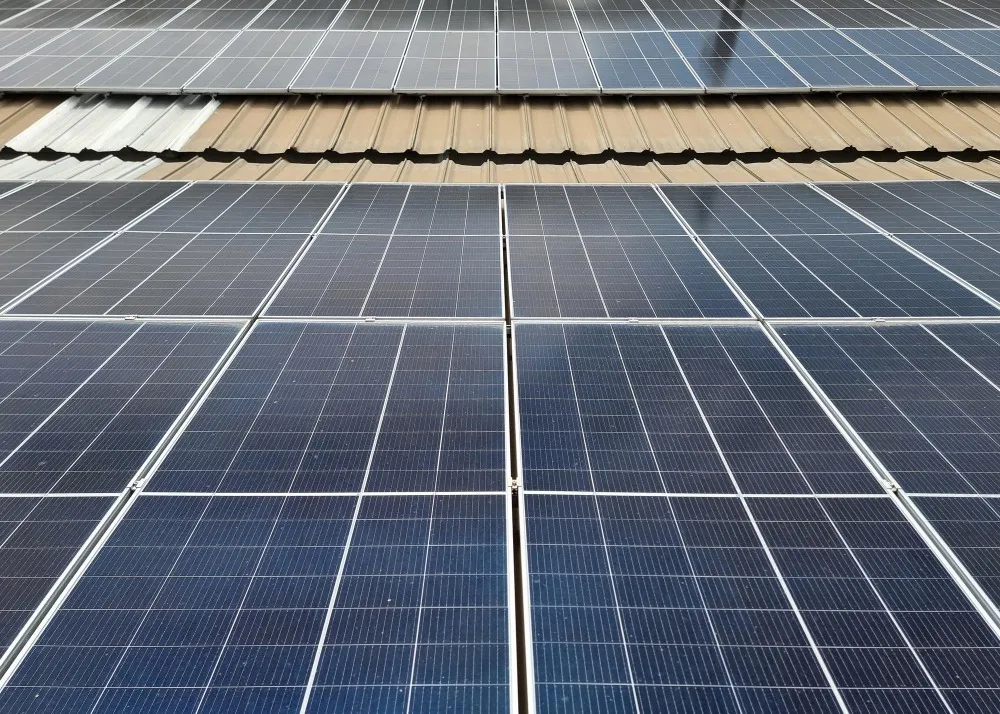
Rooftop solar adoption has increased rapidly across Maharashtra as homeowners and businesses look for smarter energy alternatives. However, many solar projects fail to deliver expected performance because of avoidable planning and installation mistakes.
Whether it is a residential rooftop setup or a commercial solar plant installation, proper system design and execution are essential for long-term efficiency. In cities like Nashik, where solar energy potential is high, even small mistakes can affect electricity generation, maintenance costs, and overall return on investment.
Choosing a System Only Based on Lowest Price
One of the most common mistakes is selecting the cheapest installation option without understanding component quality or engineering standards.
Low-cost systems may involve:
- Poor-quality solar panels
- Inferior mounting structures
- Inefficient inverters
- Weak wiring and safety equipment
- Improper installation practices
A lower initial cost can eventually lead to reduced performance, system failures, and expensive repairs.
Ignoring Roof Condition Before Installation
Many property owners focus entirely on panel capacity while overlooking the structural condition of the rooftop.
Before installation, the roof should be evaluated for:
- Structural strength
- Waterproofing condition
- Load-bearing capacity
- Future maintenance accessibility
Installing panels on damaged or weak rooftops can create long-term structural concerns.
Installing Panels in Shaded Areas
Solar panels perform best under direct sunlight. Shade from nearby buildings, water tanks, trees, or telecom towers can significantly reduce system efficiency.
Even partial shading may affect overall power generation if not addressed properly during system design.
Professional solar EPC companies usually conduct detailed shadow analysis before finalizing panel placement.
Choosing Incorrect System Size
Some users install undersized systems that fail to meet electricity requirements, while others overspend on unnecessarily large setups.
Proper system sizing depends on:
- Monthly electricity consumption
- Future energy usage
- Available roof space
- Budget planning
- Net metering eligibility
A detailed energy assessment helps avoid oversizing or undersizing issues.
Ignoring Net Metering Procedures
Net metering is an important part of on-grid solar systems in Maharashtra. Without proper approvals and documentation, users may not receive full financial benefits from surplus electricity export.
Many project delays happen because customers underestimate the importance of regulatory processes.
An experienced solar installation company generally assists with:
- Utility approvals
- Technical documentation
- Meter replacement
- Compliance requirements
Using Inadequate Mounting Structures
Mounting structures are responsible for holding solar panels securely for decades. Low-quality structures may corrode, weaken, or fail under harsh weather conditions.
This becomes especially important in regions experiencing heavy rain or seasonal winds.
High-quality galvanized structures with proper engineering support long-term system stability.
Skipping Maintenance Planning
Some users assume solar systems require no maintenance at all. While maintenance needs are relatively low, regular cleaning and inspections remain important.
Dust accumulation can reduce panel efficiency over time, particularly in industrial or roadside areas.
Routine maintenance helps identify issues such as:
- Loose connections
- Dirt buildup
- Inverter alerts
- Wiring damage
Selecting Inexperienced Installers
Solar installation involves electrical engineering, safety standards, structural planning, and regulatory coordination. Hiring inexperienced contractors may create technical problems that appear months later.
Before choosing a provider, customers should review:
- Project experience
- Component brands used
- Installation process
- Engineering capabilities
- Service support
Companies like SunsetLife Solar Pvt. Ltd work on rooftop solar installations with complete EPC coordination, helping customers avoid technical and compliance-related issues during execution.
Planning Matters More Than Most People Realize
Solar systems are long-term infrastructure investments. A well-planned rooftop solar installation can deliver reliable energy savings for decades, while poor execution can lead to performance issues and financial disappointment.
Homeowners and businesses in Nashik are increasingly taking a more informed approach by evaluating quality, engineering expertise, and long-term support instead of focusing only on upfront cost.
Keywords