Electricity has become an essential part of modern living, but rising energy costs are encouraging many homeowners to explore cleaner and more cost-effective alternatives. A well-planned Solar Panel Setup Home can reduce dependence on conventional electricity while supporting a more sustainable lifestyle. However, selecting the right system involves more than simply placing panels on a rooftop.
Every home has different energy requirements, roof conditions, and budget considerations. Understanding these factors before investing can help homeowners make informed decisions and maximise the benefits of solar energy.
Why Home Solar Systems Are Becoming More Popular
Residential solar installations have gained momentum because they provide long-term value rather than just short-term savings. Once installed, a solar system generates electricity using sunlight, helping households offset a significant portion of their monthly electricity consumption.
For many families, the benefits include:
- Lower electricity bills
- Reduced dependence on grid power
- Cleaner energy production
- Increased property value
- Lower carbon emissions
With continuous improvements in solar technology, today's systems are more efficient and require less maintenance than earlier generations.
Factors to Consider Before Installation
Not every property requires the same solar solution. Before moving forward, homeowners should evaluate several important aspects.
Daily Electricity Consumption
Reviewing electricity bills over the past year helps estimate how much energy the household uses. This information allows installers to recommend an appropriately sized system.
Roof Space and Orientation
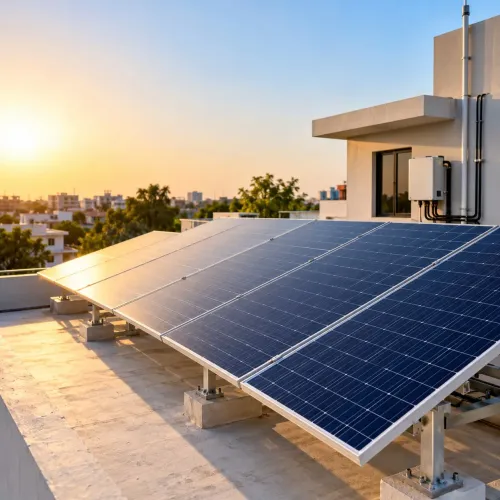
The available rooftop area directly affects the number of solar panels that can be installed. Roofs receiving good sunlight throughout the day generally offer better energy generation.
Structural Strength
Since solar panels remain on the roof for decades, the structure should be assessed to ensure it can safely support the installation.
Future Energy Needs
Homeowners planning to purchase electric vehicles, install air conditioning, or expand their homes may benefit from choosing a slightly larger system to accommodate future demand.
Understanding the Installation Process
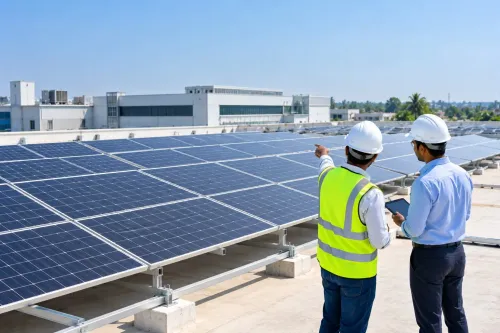
Installing a residential solar system involves several stages rather than a single-day activity.
A typical process includes:
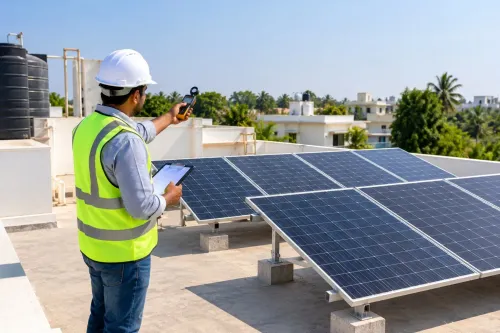
- Site inspection and energy assessment
- System design based on electricity usage
- Selection of suitable panels and inverters
- Mounting structure installation
- Electrical connections
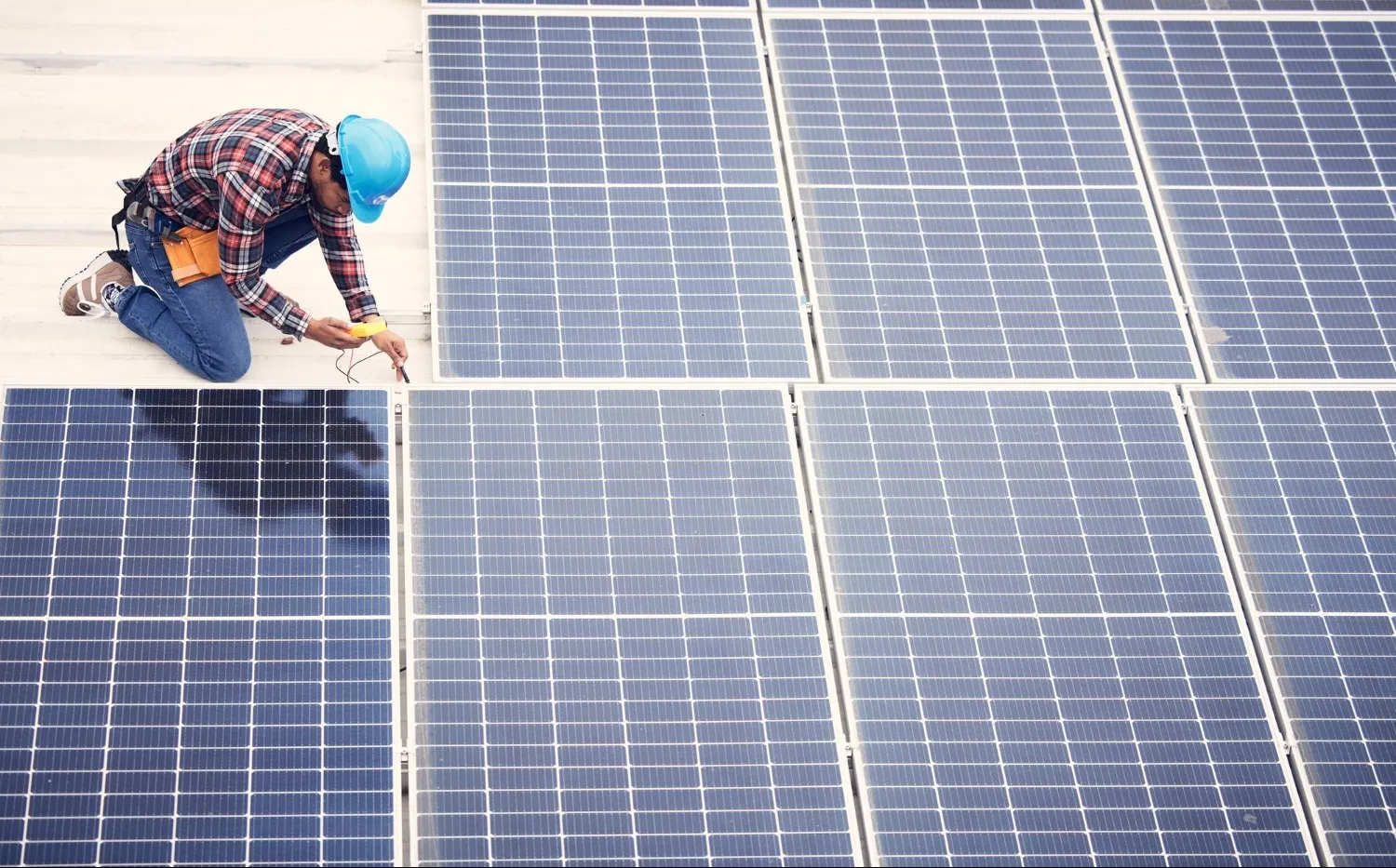
- Testing and commissioning
Working with experienced professionals helps ensure that every component is installed according to industry standards.
Common Mistakes Homeowners Should Avoid
Planning mistakes can affect the long-term performance of a solar system.
Some of the most common issues include:
- Selecting a system based only on the lowest price
- Ignoring roof condition before installation
- Overlooking future electricity requirements
- Choosing equipment without checking product quality
- Delaying periodic cleaning and maintenance
Taking time to evaluate these factors often leads to better system performance over many years.
Is Home Solar Suitable for Every House?
Most independent houses with sufficient roof space can benefit from solar energy. However, factors such as surrounding buildings, trees, roof angle, and shading should always be evaluated before installation.
Homes located in regions with strong sunlight throughout much of the year can often achieve excellent energy production. In cities such as Nashik and across Maharashtra, many homeowners are increasingly considering rooftop solar as part of long-term household planning.
Companies such as SunsetLife Solar Pvt. Ltd. generally begin with a detailed site assessment to determine whether a property is suitable before recommending a customized solution.
Frequently Asked Questions
How long do residential solar panels typically last?
Most quality solar panels are designed to operate efficiently for 25 years or more with proper maintenance.
Do solar panels work during cloudy weather?
Yes. Although electricity generation decreases on cloudy days, panels continue producing power using available sunlight.
Is regular maintenance required?
Routine cleaning and periodic inspections help maintain efficiency and ensure reliable performance.
Can solar panels reduce electricity bills completely?
The reduction depends on system size, household electricity consumption, and available sunlight. Some homes significantly reduce their bills, while others offset only a portion of their usage.
A thoughtfully planned Solar Panel Setup Home is a long-term investment that combines energy savings with environmental responsibility. By carefully evaluating energy needs, roof suitability, and system quality, homeowners can make informed decisions that continue delivering value for years.
Keywords